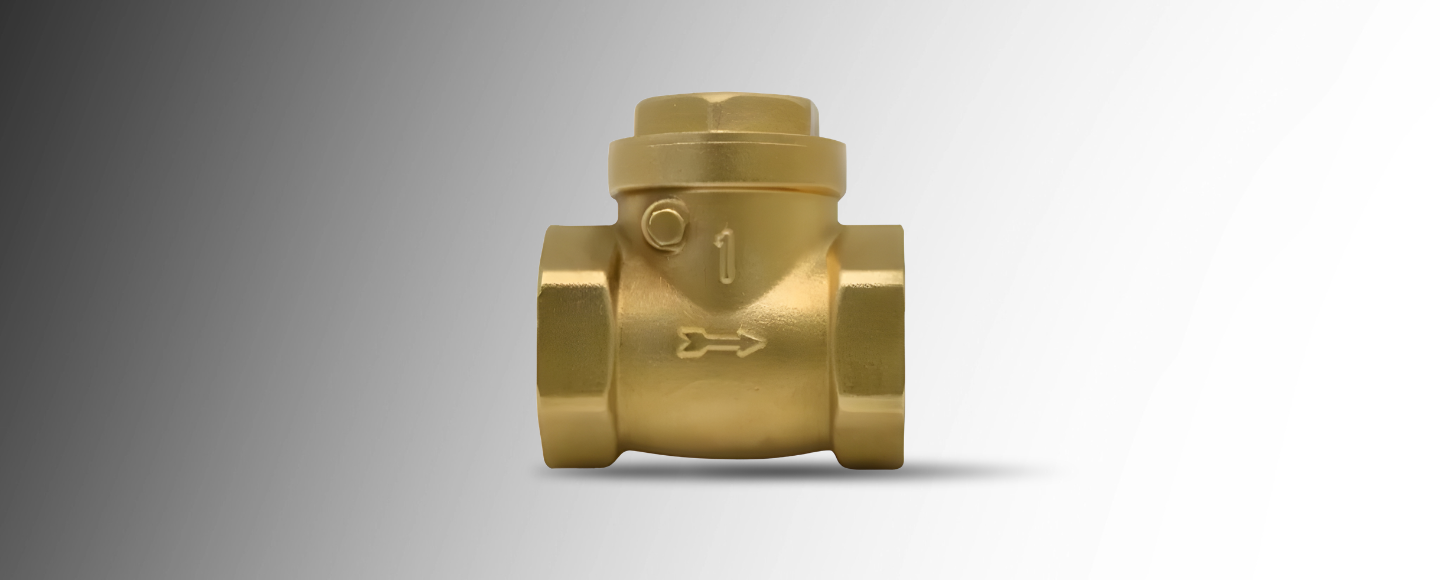


Understanding the Function and Benefits of Swing Check Valve: A Complete Guide


Understanding the Function and Benefits of Swing Check Valve: A Complete Guide
In the world of industrial valves, swing check valve play a vital role in controlling the flow of fluids. These valves allow for unidirectional flow and prevent backflow, making them essential components in pipelines and plumbing systems. In this comprehensive guide, we will delve into the function and benefits of swing check valves, shedding light on why they are an indispensable part of various industries.
The primary function of a swing check valve is to ensure the smooth and uninterrupted flow of fluids in one direction while preventing any reverse flow. With a hinged disc that swings open and closes with the direction of flow, swing check valves provide efficient and reliable shut-off capabilities. Whether it’s in wastewater treatment plants, oil and gas refineries, or HVAC systems, these valves contribute to the overall efficiency and safety of a wide range of applications.
Throughout this guide, we will explore the different types of swing check valves, their operation principles, installation methods, and the various benefits they offer. By the end of this article, you will have a comprehensive understanding of swing check valves and how they can improve the performance of your systems. So, let’s dive in and unlock the world of swing check valves together.
How swing check valve work
Swing check valves are designed to allow fluid flow in one direction while preventing backflow. The key component of a swing check valve is the hinged disc, which is typically made of metal or a durable polymer material. When the fluid flows in the desired direction, the disc swings open, allowing the fluid to pass through unimpeded. However, when the flow reverses, the disc swings back and seals the valve, preventing the backflow of the fluid.
The opening and closing of the swing check valve disc is driven by the pressure differential across the valve. When the fluid is flowing in the forward direction, the higher upstream pressure pushes the disc open, allowing the fluid to flow through. Conversely, when the flow reverses and the downstream pressure becomes higher, the disc is pushed back against the valve seat, creating a tight seal and preventing the backflow of the fluid.
The smooth and efficient operation of the swing check valve is facilitated by the hinged design of the disc. The disc is mounted on a hinge or pivot, which allows it to swing freely as the flow direction changes. This design ensures a minimal pressure drop across the valve, making it an energy-efficient choice for various applications. The swing check valve’s ability to automatically open and close in response to the flow direction is a key feature that contributes to its widespread use in industrial and commercial settings.
Advantages of using swing check valve
One of the primary advantages of swing check valves is their ability to prevent backflow, which is crucial in many industrial and commercial applications. By ensuring unidirectional flow, swing check valves help maintain the integrity of the system, prevent the mixing of fluids, and mitigate the risk of potential contamination or damage to downstream equipment.
Another significant advantage of swing check valves is their simplicity and reliability. These valves have a straightforward design with few moving parts, which makes them less prone to mechanical failures and easier to maintain. The lack of complex mechanisms also contributes to their cost-effectiveness, making them a popular choice for budget-conscious projects.
Swing check valves are also known for their energy efficiency. The smooth, unimpeded flow of fluids through the open valve results in a relatively low-pressure drop, which translates to reduced energy consumption and operating costs for the overall system. This efficiency makes swing check valves an attractive option for applications where energy conservation is a priority, such as in HVAC systems or water distribution networks.
Additionally, swing check valves are versatile and can be used in a wide range of applications, from industrial processes to residential plumbing systems. They are available in a variety of materials, sizes, and pressure ratings, allowing for customization to meet the specific requirements of different industries and environments.
Types of swing check valves
Swing check valves can be broadly categorized into several types, each with its own unique features and applications:
- Standard swing check valves:
These are the most common type of swing check valves, featuring a hinged disc that swings open and closed in response to the fluid flow. They are widely used in a variety of industrial and commercial settings.
- Silent check valves:
Also known as non-slam check valves, these valves are designed to minimize the noise and vibration associated with the closing of the disc. They incorporate a spring-assisted disc or a damping mechanism to provide a smoother, quieter operation.
- Wafer-style swing check valves:
These valves have a compact, lightweight design that allows for easy installation between two flanges. They are often used in applications where space is limited, such as in HVAC systems or process piping.
- Tilting disc check valves:
Instead of a hinged disc, these valves feature a tilting disc that rotates on a central axis. This design provides a more gradual opening and closing action, reducing the potential for water hammer and other flow-related issues.
- Dual-plate check valves:
These valves have two hinged discs that open and close in opposite directions, allowing for a more compact design and improved flow characteristics.
- Lift-type check valves:
In this design, the disc moves vertically rather than swinging on a hinge. This type of valve is often used in applications where a compact, in-line installation is required, such as in pipeline systems.
Each type of swing check valve has its own advantages and is suited for specific applications based on factors such as fluid type, pressure, temperature, and installation requirements. Understanding the various options available can help you select the most appropriate swing check valve for your particular system or project.
Factors to consider when selecting swing check valve
When choosing a swing check valve for your application, there are several key factors to consider to ensure the optimal performance and longevity of the valve:
Fluid type and properties: The composition, viscosity, and temperature of the fluid flowing through the valve can impact the selection of the appropriate materials and design features. Valves designed for corrosive or abrasive fluids, for example, may require specialized coatings or construction.
Pressure and flow rate: The operating pressure and flow rate of the system will determine the size and pressure rating of the swing check valve. Selecting a valve with the correct pressure and flow capacity is crucial to prevent issues such as leakage or premature wear.
Installation orientation: The orientation of the valve in the piping system can affect its performance. Some swing check valves may have specific installation requirements, such as being installed in a vertical or horizontal position.
Space constraints: The physical dimensions and layout of the piping system may dictate the type of swing check valve that can be used. Compact, wafer-style valves may be preferred in applications with limited space.
Maintenance and accessibility: The ease of access for maintenance and inspection can be an important consideration, especially in hard-to-reach or enclosed areas.
Regulatory and safety requirements: Depending on the industry and application, swing check valves may need to comply with specific safety standards or regulations, such as those related to hazardous materials or potable water systems.
Cost and availability: While performance and reliability are critical factors, the overall cost of the valve and its availability in the market can also play a role in the selection process.
By carefully evaluating these factors, you can ensure that the swing check valve you choose will meet the specific requirements of your application and provide reliable, long-lasting performance.
Installation and maintenance of swing check valve
Proper installation and regular maintenance are essential for ensuring the optimal performance and longevity of swing check valves. Here are some key considerations for the installation and maintenance of these valves:
Installation:
- Ensure that the valve is installed in the correct orientation, as specified by the manufacturer.
- Incorrect installation can compromise the valve’s ability to open and close properly.
- Provide adequate clearance around the valve for easy access and maintenance.
- This is particularly important for swing check valves, as the disc needs to have enough space to swing open and closed freely.
- Use appropriate gaskets or sealants to create a tight seal between the valve and the piping system, preventing leaks.
- Follow the manufacturer’s recommendations for tightening the bolts or flanges to the proper torque specifications.
- Avoid installing the valve in close proximity to elbows, tees, or other fittings that can disrupt the flow and affect the valve’s performance.
Maintenance:
- Regularly inspect the swing check valve for any signs of wear, corrosion, or damage to the disc, hinge, or sealing surfaces.
- Check the valve for proper operation by observing the disc’s movement and ensuring that it opens and closes smoothly.
- Clean the valve’s interior and exterior surfaces to remove any buildup of debris or deposits that could interfere with the valve’s operation.
- Lubricate the hinge or pivot points as recommended by the manufacturer to ensure smooth, friction-free movement.
- Replace any worn or damaged components, such as the disc or seals, to maintain the valve’s integrity and prevent leaks or malfunctions.
- Keep accurate records of the valve’s maintenance history, including any repairs or replacements, to help plan for future maintenance and ensure the valve’s long-term reliability.
By following these installation and maintenance best practices, you can ensure that your swing check valves continue to function efficiently and reliably, contributing to the overall performance and safety of your system.
Common applications of swing check valve
Swing check valves are widely used in a variety of industries and applications due to their versatility and ability to provide reliable flow control. Some of the most common applications of swing check valves include:
Water and wastewater treatment:
- Preventing backflow in water distribution systems.
- Controlling the flow of wastewater and preventing the reverse flow of contaminated water.
- Protecting pumps and other equipment from water hammer effects
HVAC systems:
- Maintaining the proper flow of refrigerants, chilled water, or hot water in heating and cooling systems
- Preventing backflow and ensuring the unidirectional flow of fluids
Oil and gas industry:
- Controlling the flow of crude oil, natural gas, and other hydrocarbon-based fluids
- Protecting pipelines and equipment from pressure surges and backflow
- Chemical and pharmaceutical processing:
- Ensuring the safe and controlled flow of various chemicals, solvents, and other process fluids
- Preventing the mixing of incompatible substances
Power generation:
- Maintaining the proper flow of cooling water in power plants
- Protecting turbines and other critical equipment from backflow
Marine and offshore applications:
- Controlling the flow of seawater, fuel, and other fluids in ships, boats, and offshore platforms
- Preventing the backflow of fluids and ensuring the safety of the vessel
Plumbing and residential systems:
- Preventing backflow in domestic water supply lines
- Protecting against the reverse flow of water in drainage systems
- The versatility of swing check valves allows them to be used in a wide range of industries, from municipal water infrastructure to specialized industrial processes. By selecting the appropriate type and size of swing check valve, system designers and operators can ensure the efficient and safe operation of their systems.
Safety considerations when using swing check valve
While swing check valves are generally reliable and low-maintenance, there are several safety considerations that should be taken into account when using these valves in various applications:
Pressure rating: Ensuring that the swing check valve is rated for the maximum operating pressure of the system is crucial to prevent the valve from failing or causing damage. Exceeding the pressure rating can lead to leaks, ruptures, or even the complete failure of the valve.
Temperature limits: The materials used in the construction of the swing check valve must be compatible with the operating temperature range of the system. Exposing the valve to temperatures outside its design limits can compromise the integrity of the components and potentially lead to safety hazards.
Fluid compatibility: The valve materials, seals, and coatings must be compatible with the specific fluids flowing through the system. Incompatible fluids can cause corrosion, erosion, or degradation of the valve components, leading to leaks or failures.
Installation orientation: Proper installation of the swing check valve in the correct orientation is essential for its safe and effective operation. Incorrect installation can prevent the valve from opening and closing properly, potentially leading to backflow or other safety issues.
Maintenance and inspection: Regular inspection and maintenance of swing check valves are vital to ensure their continued safe operation. Neglecting maintenance can result in the buildup of debris, wear and tear of components, and potential valve failures.
Regulatory compliance: Depending on the application, swing check valves may need to comply with specific safety standards or regulations, such as those related to the handling of hazardous materials or the protection of potable water systems. Failure to comply with these regulations can lead to legal and safety consequences.
Backup safety systems: In critical applications, it may be advisable to install additional safety devices, such as pressure relief valves or redundant check valves, to provide an extra layer of protection in the event of a swing check valve failure.
By considering these safety factors and implementing appropriate safety protocols, system designers and operators can ensure the safe and reliable operation of swing check valves, minimizing the risk of accidents, injuries, or environmental damage.
Troubleshooting common issues with swing check valve
While swing check valves are generally reliable and low-maintenance, they can occasionally experience issues that may require troubleshooting and corrective action. Here are some common problems that can arise with swing check valves and how to address them:
Valve not opening:
Causes: Buildup of debris or deposits on the disc or valve seat, worn or damaged disc, or insufficient pressure differential to overcome the valve’s cracking pressure.
Solutions: Clean the valve interior, inspect and replace any worn components, or adjust the system pressure to ensure proper valve opening.
Valve not closing:
Causes: Worn or damaged disc, obstruction preventing the disc from seating properly, or excessive flow velocity causing the disc to remain open.
Solutions: Replace the disc or other damaged components, remove any obstructions, or adjust the system flow rate to allow the valve to close properly.
Excessive leakage:
Causes: Worn or damaged seals, improper installation leading to gaps, or corrosion of the valve materials.
Solutions: Replace the seals or gaskets, ensure proper installation, or consider upgrading the valve materials to better suit the application.
Noise and vibration:
Causes: Cavitation, water hammer, or the valve’s disc slamming against the seat during closure.
Solutions: Install a silent check valve or add damping mechanisms to reduce the noise and vibration, or adjust the system pressure and flow to mitigate the issue.
Premature wear or failure:
Causes: Exposure to corrosive or abrasive fluids, excessive system pressure or flow, or improper maintenance.
Solutions: Select a valve with materials better suited for the application, ensure that the valve is sized correctly for the system, and implement a regular maintenance program.
Improper valve orientation:
Causes: The valve installed in the wrong orientation, which can prevent proper opening and closing.
Solutions: Verify the correct installation orientation, as specified by the manufacturer, and re-install the valve if necessary.
By identifying and addressing these common issues, you can ensure the continued reliable performance of your swing check valves and maintain the overall integrity of your system. Regular inspection, maintenance, and prompt troubleshooting can help prevent more serious problems and extend the lifespan of these critical components.
Conclusion: The importance of swing check valve in various industries
Swing check valves play a vital role in a wide range of industries, from water and wastewater treatment to oil and gas processing, HVAC systems, and beyond. These valves’ ability to provide reliable, unidirectional flow control while preventing backflow makes them an indispensable component in many mission-critical applications.
The versatility of swing check valves, combined with their simplicity, energy efficiency, and cost-effectiveness, has contributed to their widespread adoption across various sectors. By selecting the appropriate type and size of swing check valve for a specific application, system designers and operators can ensure the smooth and safe operation of their systems, mitigating the risks of backflow, contamination, and equipment damage.
Moreover, the importance of swing check valves extends beyond their immediate functional benefits. These valves play a crucial role in maintaining the integrity of complex systems, safeguarding the environment, and protecting the health and safety of workers and the public. Their reliable performance is essential in applications where the consequences of a valve failure can be severe, such as in hazardous material handling or potable water distribution.
As industries continue to evolve and face new challenges, the demand for innovative and dependable flow control solutions will only increase. Swing check valves, with their proven track record and adaptability, are poised to remain a vital component in the arsenal of industrial and commercial systems, contributing to the overall efficiency, safety, and sustainability of various sectors.
In conclusion, the understanding and proper utilization of swing check valves are essential for anyone involved in the design, installation, or maintenance of industrial and commercial systems. By mastering the intricacies of these valves, professionals can unlock new levels of performance, reliability, and cost-effectiveness, ultimately driving progress and innovation across a wide range of industries.













Comments
No comments yet. Be the first to comment!