Top Centrifugal Pump Supplier in Saudi Arabia: Kanzotech Trading Company – Experts in Pump Solutions
June 23, 2025 5 min read
Top Centrifugal Pump Supplier in Saudi Arabia: Kanzotech Trading Company – Experts in Pump Solutions
June 23, 2025 5 min read


From Sales Target to Gold Coins: The Success Story of Sufail at Kanzotech Trading Company
January 27, 2025 5 min read
Meet the Leading Submersible Pump Supplier in Saudi Arabia: Ensuring Efficient Water Supply Solutions
January 18, 2025 5 min read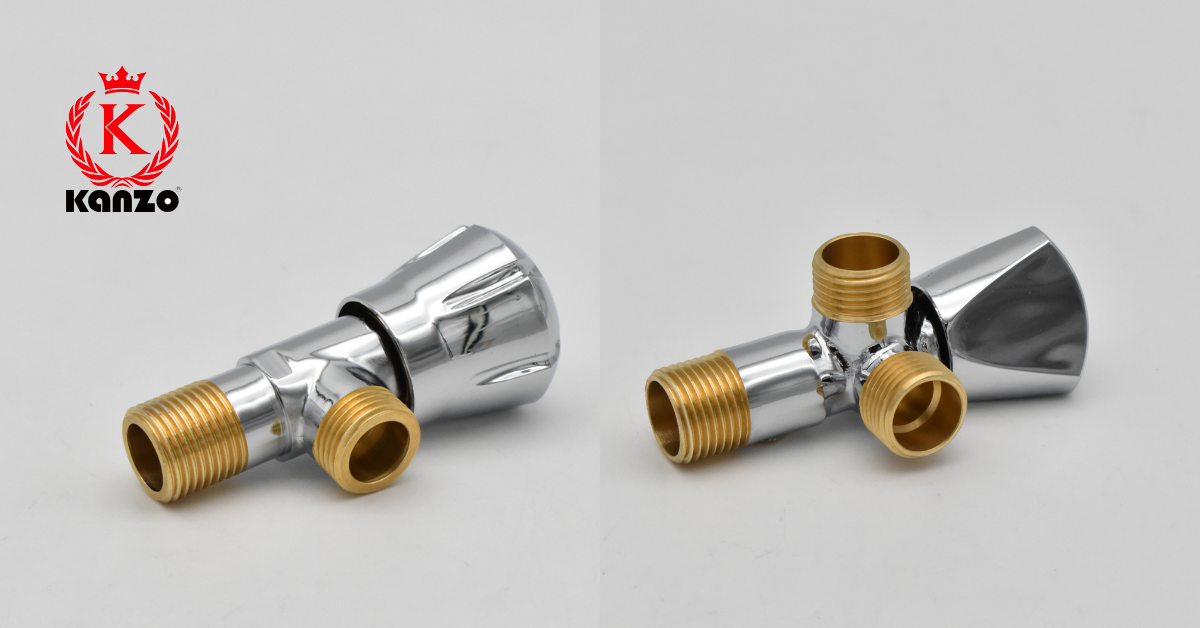
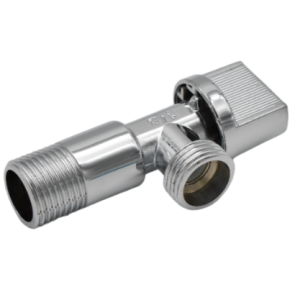
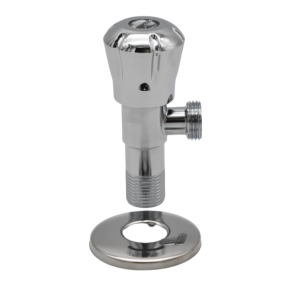
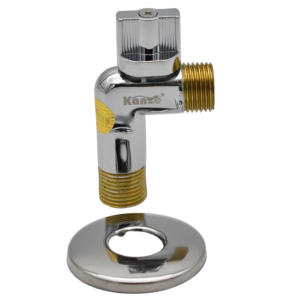
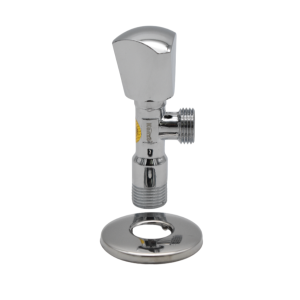
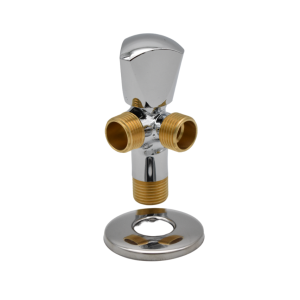
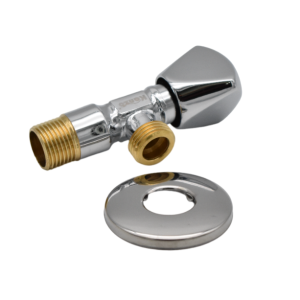
Are you looking to become a plumbing expert? Look no further because we have the perfect tool for you – the versatile Angle Valve 1/2 Inch. With its innovative design and easy installation, this angle valve is a must-have in any plumber’s toolbox.
Whether you are a professional plumber or a DIY enthusiast, mastering the art of plumbing is no easy task. Thankfully, the Angle Valve 1/2 Inch is here to make your job a whole lot easier.
This valve is perfect for controlling the flow of water in your plumbing system. Its 1/2 inch size makes it suitable for a wide range of applications, from small residential projects to large commercial installations.
The Angle Valve 1/2 Inch is designed with durability in mind. Made from high-quality materials, it is built to withstand the test of time and deliver reliable performance.
So, if you are ready to take your plumbing skills to the next level, the versatile Angle Valve 1/2 Inch is the tool you need. Get your hands on one today and start mastering the art of plumbing like a pro!
Angle valves play a crucial role in plumbing systems, serving as essential components for controlling water flow. Their design allows for a 90-degree turn in the piping, making them incredibly versatile for various installations. Unlike straight valves, angle valves provide greater flexibility in tight spaces, where straight runs may not be feasible. This feature is particularly beneficial in residential and commercial plumbing, where space constraints often dictate the layout of pipes and fixtures.
Moreover, the angle valve is instrumental in regulating water supply to specific fixtures or appliances. For example, they are commonly used under sinks, behind toilets, and in washing machine connections. With the ability to easily open or shut off water flow, these valves enable quick maintenance or emergency responses without having to shut down the entire plumbing system. This localized control is invaluable for preventing water damage and minimizing disruptions during repairs.
Additionally, angle valves are designed to withstand high pressure and varying temperatures, making them suitable for a wide range of plumbing applications. Their durability ensures long-lasting performance, reducing the frequency of replacements and maintenance. Understanding the importance of these valves is fundamental for anyone looking to master plumbing, as they are integral to both residential and commercial plumbing systems.
When it comes to angle valves, there are several types available, each designed for specific applications and requirements. The most common types include compression angle valves, solder angle valves, and threaded angle valves.
1. Compression angle valves:
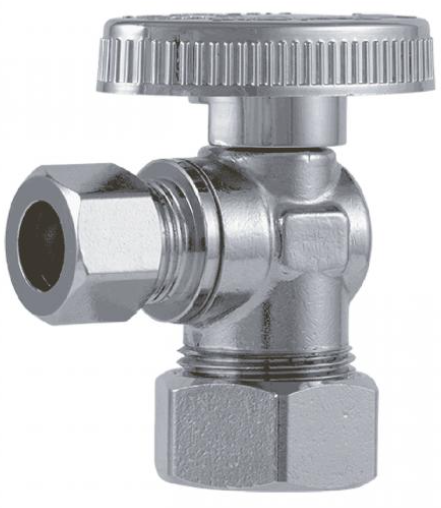
Compression angle valves are often used in residential settings, as they provide a simple and effective way to connect pipes without requiring soldering. They feature a compression fitting that secures the pipe in place, making installation straightforward and user-friendly.
2. Solder angle valves:
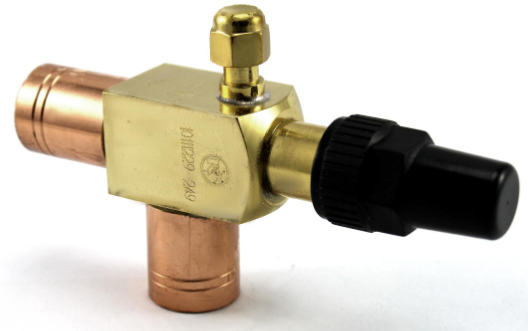
Solder angle valves are another popular choice, especially for more permanent installations. These valves are soldered directly to the piping, providing a strong and leak-proof connection. This type is commonly used in systems where high pressure and temperature fluctuations are expected. However, soldering requires more skill and tools, making it less ideal for DIY enthusiasts but a favorite among professional plumbers.
3. Threaded angle valves:
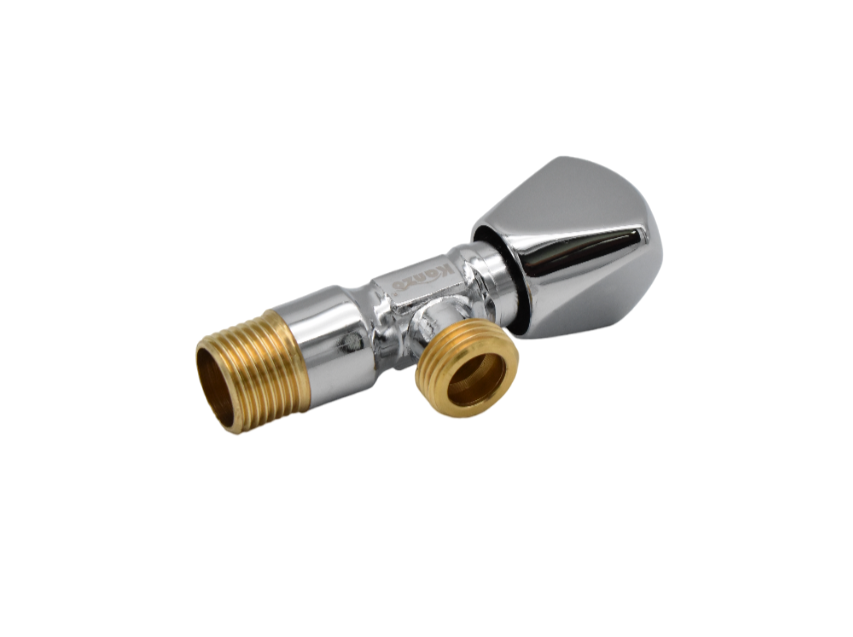
Threaded angle valves are designed for applications where pipes are connected using threads. These valves come with male or female threads, allowing for easy attachment to existing piping systems. They are commonly used in industrial applications or in situations where future disassembly may be necessary. Understanding these types of angle valves will help you choose the right one for your plumbing needs.
The Angle Valve 1/2 Inch offers numerous benefits that make it a preferred choice for both professional plumbers and DIY enthusiasts. First and foremost, its size is incredibly versatile, making it suitable for a wide range of applications—from residential plumbing systems to commercial installations. The 1/2 inch diameter ensures that it can handle adequate water flow while fitting into tight spaces, which is often a challenge in plumbing.
Another significant advantage of the 1/2 inch angle valve is its ease of installation. The design allows for straightforward connections without the need for specialized tools, making it accessible for individuals without extensive plumbing experience. This feature is particularly advantageous for homeowners who wish to undertake minor plumbing projects themselves. With clear instructions and the right materials, one can successfully install this valve with minimal hassle.
Moreover, the durability of the Angle Valve 1/2 Inch cannot be overlooked. Constructed from high-quality materials, it is resistant to corrosion and wear, ensuring reliable performance over time. This longevity translates to cost savings, as fewer replacements and repairs are needed. By investing in a durable angle valve, you are not only enhancing the performance of your plumbing system but also securing peace of mind for years to come.
Selecting the appropriate angle valve for your plumbing project involves several considerations. The first step is to assess the specific requirements of your plumbing system. Begin by determining the size of the pipes and the intended application for the angle valve. For most residential needs, a 1/2 inch angle valve is typically sufficient, but larger systems may require valves of different sizes.
Next, consider the material of the angle valve. Copper, brass, and PVC are popular materials, each offering unique advantages. Brass is known for its durability and resistance to corrosion, making it ideal for high-pressure applications. Copper valves are also durable and have natural antimicrobial properties. PVC valves are lightweight and resistant to chemicals, making them suitable for certain specialized applications. Choose a material that best suits your plumbing environment and maintenance preferences.
Finally, always evaluate the valve’s mechanism. Angle valves can come with various types of handles and configurations, from lever handles to wheel handles. The choice here often depends on personal preference and the ease of use you desire. Additionally, check for certifications and quality standards to ensure that the valve complies with local plumbing codes and regulations. By carefully considering these factors, you can select the right angle valve that meets your plumbing needs effectively.
Installing the Angle Valve 1/2 Inch is a straightforward process, but it requires careful attention to detail to ensure a proper fit and function. Begin by gathering all necessary tools, including a wrench, pipe cutter, and Teflon tape. Before starting the installation, ensure that the water supply to the area is turned off to prevent any leaks or flooding during the process.
Once the water supply is off, prepare the existing pipe where the angle valve will be installed. Use the pipe cutter to cut the pipe cleanly, ensuring that the edges are smooth and free from burrs. If you are working with copper pipes, you may need to deburr the edges to avoid damaging the valve or causing leaks. If you are working with threaded pipes, ensure that the threads are clean and in good condition for a secure fit.
Next, wrap Teflon tape around the threads of the angle valve if you’re installing a threaded valve. This tape helps create a watertight seal and prevents leaks. If you’re using a compression valve, simply insert the pipe into the valve and tighten the compression nut. For solder valves, you’ll need to apply heat with a torch to solder the valve onto the pipe securely. Once everything is in place, turn the water supply back on and check for any leaks. If all goes well, you have successfully installed your Angle Valve 1/2 Inch!
Maintaining your Angle Valve 1/2 Inch is essential to ensure its longevity and optimal performance. Regular inspections should be part of your maintenance routine. Periodically check for any signs of leaks around the valve or the connections. If you notice any dampness or water pooling, it may indicate a problem that needs immediate attention. Early detection can prevent larger issues down the line and save you money on repairs.
Another important aspect of maintenance is ensuring that the valve operates smoothly. Occasionally, you may need to open and close the valve to prevent it from becoming stuck. If you find that the valve is difficult to turn, it may be due to mineral buildup or corrosion. In such cases, applying a penetrating lubricant can help loosen the mechanism. Always remember to wipe away any excess lubricant to avoid attracting dirt and grime.
If you encounter issues such as leaks or reduced water flow, troubleshooting may be necessary. First, check the connections to ensure they are tight and secure. If leaks persist, you may need to disassemble the valve and inspect the washers and seals for wear. Replacing damaged parts can often resolve common problems. If you are unable to fix the issue, it may be time to consult a professional plumber for assistance.
Angle valves, like any plumbing component, may encounter issues over time. One of the most common problems is leakage, which can occur at the connection points or within the valve itself. This issue is often caused by improper installation or wear and tear on the seals. To address leaks, first ensure that all connections are secure. If the leak persists, inspect the valve’s internal components and replace any worn washers or seals.
Another frequent issue is difficulty in turning the valve. This can be attributed to mineral buildup or corrosion, especially in areas with hard water. If you find the valve hard to operate, try applying a penetrating lubricant to the handle and working it back and forth. If this does not resolve the issue, you may need to disassemble the valve for a deeper cleaning or consider replacing it altogether.
Reduced water flow is yet another common problem associated with angle valves. This can happen due to blockages within the valve or the associated piping. Begin by checking for any visible obstructions in the pipe leading to the valve. If the path is clear, the issue may reside within the valve itself. Disassemble the valve and clean out any debris or mineral deposits that may be restricting flow. Regular maintenance and inspections can help prevent these problems from arising in the first place.
Angle valves often raise several questions, especially among those new to plumbing. One common question is about the difference between angle valves and straight valves. The key distinction lies in the design; angle valves allow for a 90-degree turn, providing greater flexibility in tight spaces, while straight valves maintain a direct path for water flow. This makes angle valves ideal for installations where space is limited.
Another frequently asked question pertains to the longevity of angle valves. The lifespan of an angle valve largely depends on the material and usage conditions. High-quality brass or copper valves can last several years, while cheaper plastic options may have a shorter lifespan. Regular maintenance, including inspections and timely repairs, can significantly extend the life of your angle valve.
Lastly, many people wonder about the appropriate size of angle valves for their plumbing systems. The size you choose should align with the dimensions of your existing pipes and the specific demands of your plumbing application. For standard residential plumbing, a 1/2 inch angle valve is often sufficient, but be sure to assess your unique requirements before making a purchase. If in doubt, consulting with a plumbing professional can provide clarity and guidance.
Mastering the art of plumbing necessitates an understanding of the tools and components that play a pivotal role in system functionality. The Angle Valve 1/2 Inch is an invaluable addition to any plumber’s toolkit, offering versatility, durability, and ease of use. By recognizing the importance of angle valves, exploring the various types available, and understanding their benefits, you can make informed decisions that enhance your plumbing projects.
Choosing the right angle valve is crucial for ensuring optimal performance in your plumbing system. By following the installation process carefully and adhering to maintenance tips, you can maximize the longevity of your angle valve while minimizing potential issues. Troubleshooting common problems will further increase your confidence as you navigate your plumbing tasks.
Ultimately, harnessing the power of the angle valve in your plumbing endeavors will set you on the path to becoming a skilled plumber. With practice and experience, you will find that these valves are indispensable assets that contribute significantly to the efficiency and reliability of your plumbing systems. Embrace the journey of mastering plumbing with the Angle Valve 1/2 Inch as your trusted companion.