Top Centrifugal Pump Supplier in Saudi Arabia: Kanzotech Trading Company – Experts in Pump Solutions
June 23, 2025 5 min read
Top Centrifugal Pump Supplier in Saudi Arabia: Kanzotech Trading Company – Experts in Pump Solutions
June 23, 2025 5 min read


From Sales Target to Gold Coins: The Success Story of Sufail at Kanzotech Trading Company
January 27, 2025 5 min read
Meet the Leading Submersible Pump Supplier in Saudi Arabia: Ensuring Efficient Water Supply Solutions
January 18, 2025 5 min read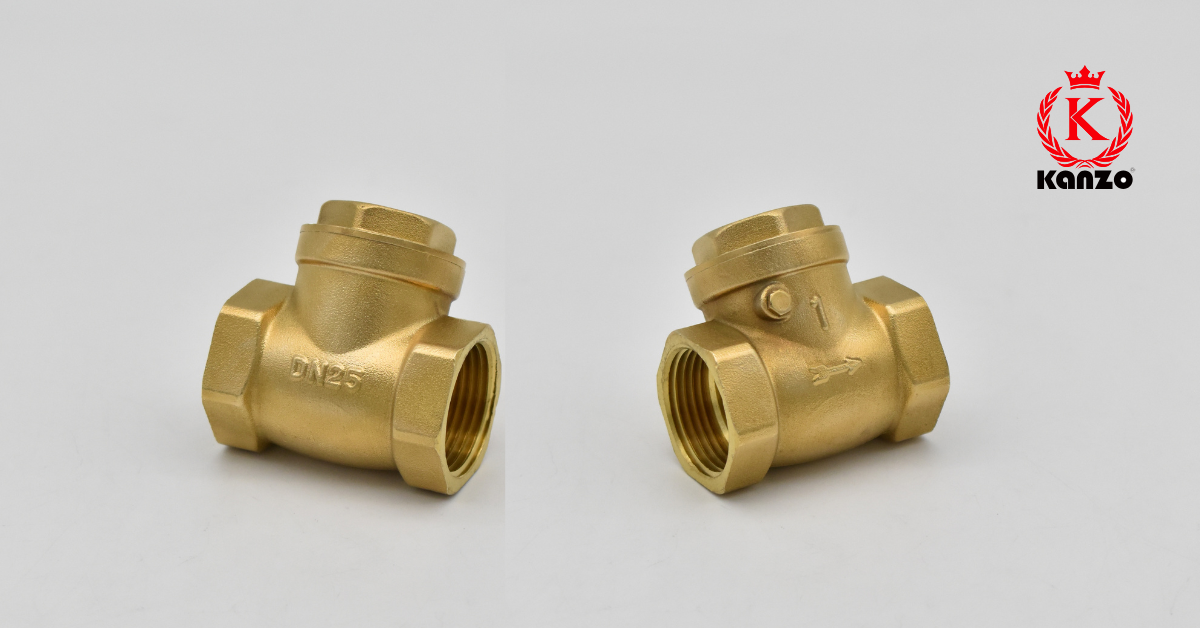
In the world of modern plumbing systems, check valve non-return valve, play a vital role in ensuring the smooth functioning of water and fluid flow. These valves are designed to allow the flow of water in one direction while preventing backflow, thus avoiding any potential damage or contamination. Whether it’s in residential buildings, commercial establishments, or industrial settings, understanding the benefits and applications of check valves is essential for the efficient operation and maintenance of plumbing systems.
Check valves offer numerous advantages, including preventing flooding caused by backflow, protecting pumps and equipment from damage, and reducing water hammer and pressure fluctuations. They find extensive applications in various areas, such as irrigation systems, wastewater treatment plants, swimming pools, and water distribution networks. Furthermore, check valves come in different types and styles, ranging from swing check valves to ball check valves, each with its unique features and benefits.
In this article, we will delve into the benefits and applications of check valves in detail, exploring their significance in modern plumbing systems. So, whether you’re a homeowner, a plumber, or an industry professional, join us as we navigate through the world of check valves and gain valuable insights into their functionality and practical uses.
Check valve non-return valve, are essential components in modern plumbing systems. They are designed to allow the flow of water or other fluids in one direction while preventing backflow, ensuring the smooth and efficient operation of the system. The working principle of a check valve is relatively simple, yet it plays a crucial role in safeguarding plumbing infrastructure and preventing potential issues.
At the heart of a check valve is a valve element, typically a disc, ball, or flapper, that is held in place by a spring or gravity. When the fluid flows in the desired direction, the valve element opens, allowing the passage of the liquid. However, when the flow reverses or a backflow occurs, the valve element immediately closes, creating a seal that prevents the fluid from flowing back. This one-way flow mechanism is what gives check valves their name and their ability to maintain the integrity of the plumbing system.
The specific design and construction of check valves can vary, with different types and styles optimized for different applications and requirements. The choice of a check valve for a particular plumbing system depends on factors such as the fluid being transported, the pressure and flow rate, the size of the pipe, and the overall system configuration. Understanding how check valves work in these various scenarios is crucial for ensuring the proper selection and installation of these essential components.
The use of check valve non-return valve in plumbing systems offers numerous benefits that contribute to the overall efficiency, safety, and reliability of the system. One of the primary advantages is the prevention of backflow, which can occur due to various reasons, such as a sudden change in pressure, a malfunctioning pump, or a cross-connection between the potable water supply and a contaminated source.
By preventing backflow, check valves help safeguard the water supply from contamination, protecting both residential and commercial properties from potentially harmful consequences. This is particularly important in applications where the water is used for drinking, cooking, or other critical purposes, as the prevention of backflow ensures the integrity of the water quality.
Another significant benefit of check valves is their ability to protect pumps and other equipment from damage caused by water hammer or pressure fluctuations. Water hammer, a phenomenon caused by the sudden stoppage or change in the direction of water flow, can generate high-pressure waves that can damage pipes, fittings, and even the pump itself. Check valves, by quickly closing and isolating the flow, help mitigate the effects of water hammer, reducing the risk of equipment failure and prolonging the lifespan of the plumbing system.
Furthermore, check valves contribute to the overall efficiency of plumbing systems by preventing the backflow of water, which can lead to energy wastage and increased operating costs. By maintaining the intended flow direction, check valves ensure that the water or fluid is directed to the appropriate destination, optimizing the system’s performance and reducing the energy required to move the fluid through the pipes.
Check valve non-return valve come in a variety of types and styles, each designed to address specific requirements and challenges within plumbing systems. Understanding the different types of check valves and their applications is crucial for selecting the right valve for a particular installation.
1. swing check valve:
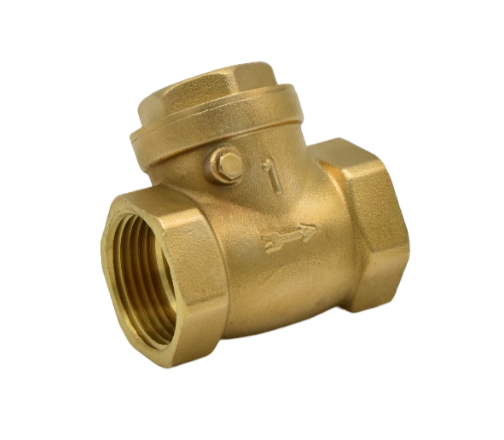
One of the most common types of check valves is the swing check valve. This valve features a hinged disc that swings open to allow the flow of fluid in the desired direction and closes to prevent backflow. Swing check valves are widely used in a range of applications, including water supply lines, irrigation systems, and industrial processes, due to their reliability, simplicity, and relatively low cost.
2. ball check valve:
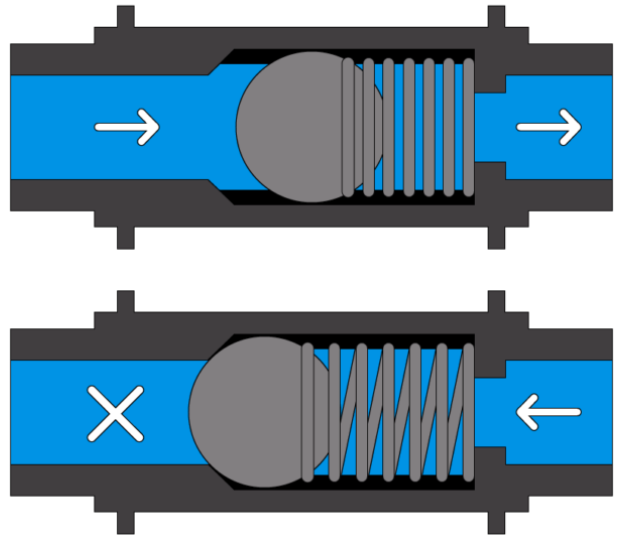
Another popular type of check valve is the ball check valve, which utilizes a spherical ball as the valve element. As the fluid flows in the desired direction, the ball is pushed away from the valve seat, allowing the passage of the liquid. When the flow reverses, the ball is pushed back against the seat, creating a tight seal and preventing backflow. Ball check valves are often used in applications with high flow rates, such as in water supply systems, fire sprinkler systems, and industrial pipelines.
3. Lift check valve:
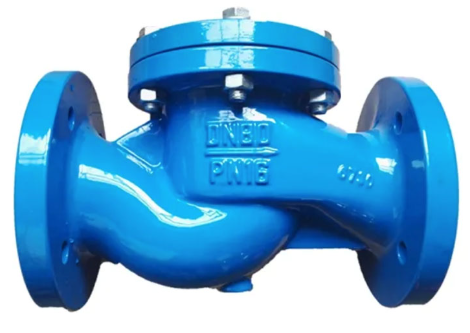
Lift check valves, on the other hand, feature a vertical valve element that lifts off the valve seat to allow flow in one direction and drops back down to seal the valve in the event of backflow. These check valves are well-suited for applications with limited space, as they have a compact design and can be installed in tight quarters. Lift check valves are commonly used in HVAC systems, plumbing fixtures, and small-diameter piping.
In addition to these common types, there are also specialized check valves designed for specific applications, such as wafer check valves, diaphragm check valves, and dual-disc check valves. Each type of check valve has its own unique features, advantages, and optimal use cases, making it essential for plumbing professionals to have a thorough understanding of the different options available to ensure the selection of the most appropriate valve for the job.
While check valve non-return valve are generally reliable and durable components, they can occasionally encounter issues that may require troubleshooting and maintenance. Understanding the common problems associated with check valves and having the knowledge to address them can help plumbing professionals maintain the integrity and efficiency of the plumbing system.
One of the most common problems with check valves is sticking or binding of the valve element, which can prevent the valve from opening or closing properly. This issue can be caused by a buildup of debris, corrosion, or wear and tear over time. To address this problem, the check valve may need to be disassembled, cleaned, and inspected for any signs of damage or obstruction. Replacing the valve element or the entire check valve may be necessary in some cases.
Another common issue is leakage around the valve seat, which can occur due to a worn or damaged valve element, a misaligned valve seat, or the presence of foreign matter between the valve element and the seat. Identifying the root cause of the leakage and taking appropriate remedial actions, such as cleaning the valve, replacing the valve element, or adjusting the valve seat, can help restore the check valve’s sealing capabilities.
In some instances, check valves may experience premature wear or failure, particularly in applications with high flow rates, extreme temperatures, or aggressive fluids. This can lead to a loss of the valve’s ability to prevent backflow, potentially causing damage to the plumbing system or compromising the safety of the water supply. Regular maintenance, including inspections and replacements, can help mitigate these issues and ensure the long-term reliability of the check valve.
By being aware of these common problems and having the necessary troubleshooting skills, plumbing professionals can effectively diagnose and address any issues that may arise with check valves, ultimately ensuring the smooth and efficient operation of the plumbing system.
Proper installation and regular maintenance of check valve non-return valve are crucial for ensuring their long-term performance and the overall integrity of the plumbing system. Following best practices in these areas can help prevent common issues and extend the service life of the check valves.
When it comes to installation, it is essential to ensure that the check valve is positioned correctly, with the flow direction arrow aligned with the intended direction of the fluid flow. Incorrect installation can lead to the valve not functioning as intended, potentially causing backflow or other issues. Additionally, the valve should be installed in a location that allows for easy access for inspection and maintenance, as well as sufficient clearance for any necessary disassembly or replacement.
Another important consideration during installation is the selection of the appropriate check valve type and size based on the specific requirements of the plumbing system. Factors such as the flow rate, pressure, and the nature of the fluid being transported should all be taken into account to ensure the selected check valve is compatible and capable of meeting the system’s demands.
Regular maintenance of check valves is essential to maintain their optimal performance and prevent potential problems. This includes periodic inspections to check for signs of wear, corrosion, or buildup of debris, as well as cleaning and lubrication of the valve components as needed. In some cases, the valve element may need to be replaced if it has become excessively worn or damaged.
It is also important to follow the manufacturer’s recommended maintenance schedule and procedures, as they are often tailored to the specific design and application of the check valve. Adhering to these guidelines can help ensure the valve’s continued reliability and prevent unexpected failures or malfunctions.
By following best practices for check valve installation and maintenance, plumbing professionals can help ensure the long-term functionality and efficiency of the plumbing system, minimizing the risk of backflow, water damage, and other potential issues.
Check valve non-return valve play a crucial role in a wide range of plumbing applications, from residential to commercial and industrial settings. Examining real-life case studies can provide valuable insights into the practical benefits and applications of these essential components.
In a residential setting, a homeowner may install a check valve in their plumbing system to prevent backflow from a nearby irrigation system or a basement sump pump. This helps safeguard the potable water supply and protects the home from potential flooding or contamination. The check valve, by quickly closing and isolating the flow, can also help mitigate the effects of water hammer, which can cause damage to the plumbing infrastructure.
In a commercial building, such as a high-rise office or a hotel, check valves are often installed in the water supply lines to prevent backflow from the building’s fire sprinkler system or other potential sources of contamination. This ensures that the water quality remains safe for drinking, cooking, and other essential uses, while also protecting the building’s occupants and the overall plumbing system from potential issues.
In an industrial setting, check valves are commonly found in wastewater treatment plants, where they play a crucial role in managing the flow and preventing the backflow of contaminated water or sludge. By maintaining the one-way flow of the fluid, check valves help maintain the integrity of the treatment process and protect the downstream equipment from damage or clogging.
Another example of check valve application can be seen in irrigation systems, where they are used to prevent the backflow of water from the sprinkler heads or drip irrigation lines back into the main water supply. This not only safeguards the potable water but also ensures the efficient operation of the irrigation system, as backflow can disrupt the intended water distribution and potentially lead to water wastage.
These real-life case studies demonstrate the diverse range of applications for check valves and the critical role they play in maintaining the safety, efficiency, and reliability of plumbing systems across various settings. By understanding these practical examples, plumbing professionals can better appreciate the importance of check valves and make informed decisions when designing, installing, and maintaining these essential components.
The field of check valve technology has witnessed a steady evolution, with manufacturers and researchers continuously exploring new designs, materials, and features to enhance the performance, reliability, and versatility of these essential plumbing components. These advancements have led to the development of innovative check valve solutions that address the changing needs and challenges of modern plumbing systems.
One notable innovation in check valve technology is the introduction of smart or intelligent check valves. These advanced valves incorporate sensors and microprocessors that can monitor the valve’s performance, detect potential issues, and communicate with a central control system. This allows for real-time monitoring, predictive maintenance, and proactive troubleshooting, enabling plumbing professionals to identify and address problems before they escalate, thereby minimizing downtime and improving system efficiency.
Another area of innovation is the development of check valves with improved materials and coatings. For example, the use of corrosion-resistant materials, such as stainless steel or engineered polymers, can significantly extend the lifespan of check valves in environments with aggressive fluids or harsh conditions. Additionally, the application of specialized coatings, such as anti-fouling or self-cleaning surfaces, can help prevent the buildup of debris and minimize the frequency of maintenance required.
Advancements in check valve design have also led to the creation of more compact and space-saving models, which are particularly useful in applications with limited installation space, such as HVAC systems or plumbing fixtures. These innovative check valves often feature unique geometries or streamlined components that optimize flow characteristics and minimize pressure drop, further enhancing the overall efficiency of the plumbing system.
Furthermore, the incorporation of advanced manufacturing techniques, such as additive manufacturing (3D printing), has enabled the production of check valves with customized features and geometries tailored to specific applications. This level of customization allows for the development of highly specialized check valves that can address unique challenges and requirements within the plumbing industry.
Selecting the appropriate check valve non-return valve for a plumbing system is a critical decision that requires careful consideration of various factors to ensure the valve’s compatibility, performance, and long-term reliability. By understanding the key factors to consider, plumbing professionals can make informed choices that contribute to the overall efficiency and safety of the system.
One of the primary factors to consider is the fluid type and its characteristics, such as flow rate, pressure, temperature, and chemical composition. Different check valve materials and designs are better suited for specific fluid types and operating conditions, so it is essential to match the valve’s specifications with the requirements of the plumbing system.
Another important factor is the size and configuration of the plumbing system. Check valves come in a range of sizes and styles, and the selected valve must be compatible with the pipe diameter, layout, and available space for installation. Choosing the wrong size or type of check valve can lead to flow restrictions, pressure drops, or even valve failure.
The operating environment and installation location are also crucial considerations. Check valves may need to withstand various environmental factors, such as temperature extremes, exposure to corrosive substances, or the presence of vibrations. The selected valve should be able to function reliably and consistently in the specific conditions of the plumbing system.
Additionally, factors like maintenance requirements, cost, and regulatory compliance should be taken into account. Some check valve designs may require more frequent inspections or servicing, while others may be more cost-effective or better suited for applications with strict regulatory requirements, such as those found in the food and beverage industry or healthcare facilities.
By carefully evaluating these factors and working closely with plumbing professionals, building owners, and system designers, the selection of the right check valve can help ensure the long-term efficiency, safety, and reliability of the plumbing system, ultimately contributing to the overall performance and functionality of the entire facility.
Check valve non-return valve, are indispensable components in modern plumbing systems, playing a vital role in ensuring the smooth and efficient flow of water and other fluids. These valves, through their ability to allow flow in one direction while preventing backflow, safeguard plumbing infrastructure, protect equipment, and maintain the integrity of the water supply.
From residential homes to commercial buildings and industrial facilities, check valves are found in a wide range of applications, addressing various challenges and requirements. Their ability to prevent backflow, mitigate water hammer, and optimize system performance makes them essential for maintaining the safety, reliability, and efficiency of plumbing systems.
As the plumbing industry continues to evolve, the technology behind check valves has also undergone significant advancements, with the introduction of smart valves, improved materials, and customized designs. These innovations have enhanced the versatility and performance of check valves, allowing them to better adapt to the changing needs of modern plumbing systems.
Ultimately, the importance of check valves in plumbing systems cannot be overstated. By understanding their working principles, benefits, and applications, as well as the best practices for their installation and maintenance, plumbing professionals can ensure the long-term reliability and optimal performance of the plumbing infrastructure they are responsible for. As the demand for efficient and sustainable plumbing solutions continues to grow, the role of check valves will only become more critical in shaping the future of the industry.