Blog Detail Image

Unlocking the Secrets of Foot Valve: Everything You Need to Know

POSTED BY: admin / April 28, 2026
Views
10 Views
0 Comments

Are you curious about the mysterious workings of foot valve? Wondering how these seemingly simple devices play a crucial role in ensuring the efficient and reliable operation of pumps and systems? Look no further. In this comprehensive guide, we delve deep into the secrets of foot valves, providing you with all the knowledge you need to understand their importance, functionality, and the key considerations when selecting and maintaining them.

With our expert insights, you’ll gain a clear understanding of how foot valves work, why they are essential for preventing backflow, and how they enable optimal pump performance. We debunk common misconceptions, discuss different types of foot valves, and explore the factors to consider when choosing the right one for your application.

Whether you’re a homeowner looking to fix a faulty foot valve or a professional in the pumping industry seeking to enhance your knowledge, this article is your ultimate guide to unlocking the secrets of foot valves. Get ready to dive into the fascinating world of these unsung heroes of pump systems.

How do foot valve work?

Foot valves are a critical component in many pumping systems, playing a crucial role in preventing backflow and ensuring efficient pump operation. These unsung heroes of the pumping world work in a remarkably simple yet effective manner.

At the heart of a foot valve is a flap or disc that is designed to open in one direction, allowing fluid to flow into the pump, while closing tightly to prevent the fluid from flowing back out. This one-way valve mechanism is the key to the foot valve’s functionality. When the pump is in operation, the suction created by the pump’s movement causes the foot valve to open, allowing the fluid to be drawn into the system. However, when the pump is turned off or experiences a loss of power, the foot valve automatically closes, preventing the fluid from flowing back down the suction pipe and into the source.

This backflow prevention is crucial, as it helps maintain the priming of the pump and ensures that the system can be restarted quickly and efficiently without the need to prime the pump. By keeping the suction line filled with fluid, the foot valve helps to minimize the risk of air entering the system, which can lead to reduced pump performance, cavitation, and other issues. The precise design and materials used in the construction of the foot valve play a significant role in its effectiveness and longevity.

Types of foot valves

Foot valves come in a variety of designs and materials to suit different applications and operating conditions. Understanding the various types of foot valves can help you select the most appropriate one for your specific pumping system.

  1. swing check valve:

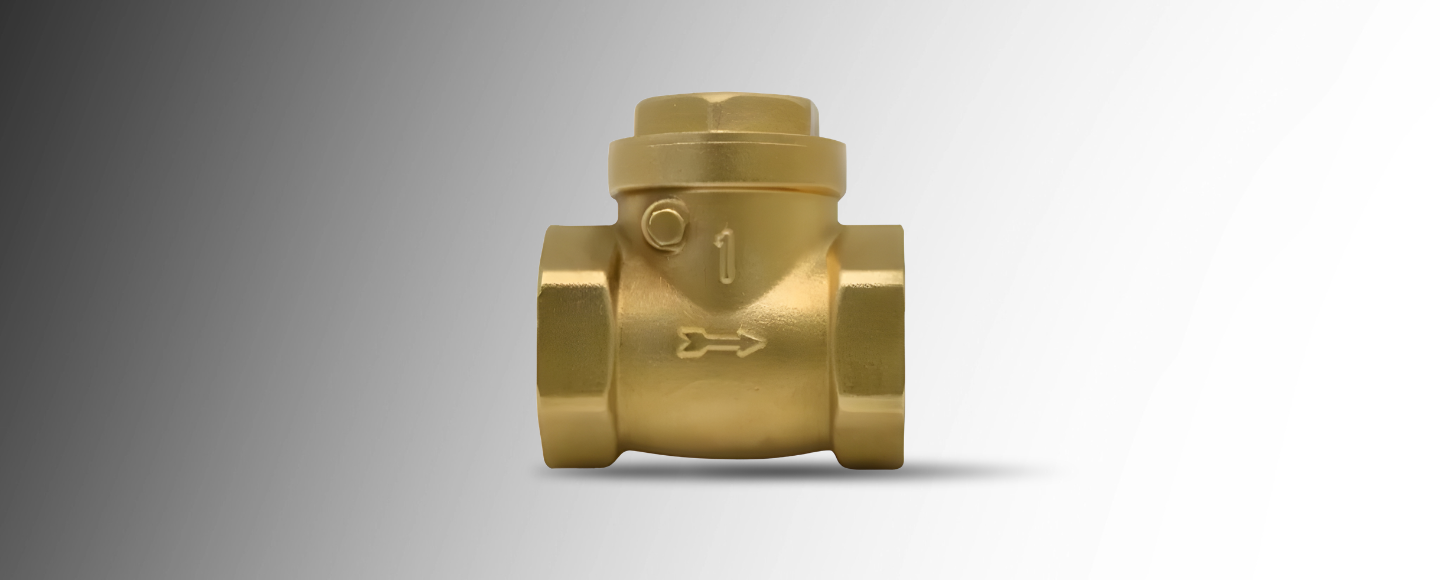
One of the most common types of foot valves is the swing check valve. This design features a hinged flap or disc that swings open to allow fluid flow in one direction and then closes tightly to prevent backflow. Swing check foot valves are known for their simplicity, reliability, and ability to handle a wide range of flow rates and pressures.

  1. ball check valve:

Another type of foot valve is the ball check valve, which uses a spherical ball instead of a flap or disc. As the fluid flows into the pump, the ball is lifted off its seat, allowing the passage of the liquid. When the flow reverses, the ball is pushed back onto its seat, creating a tight seal and preventing backflow. Ball check foot valves are often used in applications with high flow rates or where the fluid may contain solids or debris.

In addition to these standard designs, there are also specialized foot valves, such as those with spring-assisted mechanisms, self-cleaning features, or corrosion-resistant materials. These variations are tailored to meet the specific requirements of certain industries or operating environments, such as chemical processing, mining, or wastewater treatment.

Importance of foot valve in pumping systems

Foot valves are an integral part of many pumping systems, and their importance cannot be overstated. These unassuming devices play a crucial role in ensuring the efficient and reliable operation of pumps, as well as protecting the overall integrity of the system.

One of the primary functions of a foot valve is to prevent backflow. When a pump is turned off or experiences a power failure, the foot valve closes to prevent the fluid from flowing back down the suction pipe and into the source. This backflow prevention is essential for maintaining the priming of the pump, which is the process of filling the suction line and pump casing with fluid. Without a properly functioning foot valve, the pump would lose its prime, and restarting the system would require time-consuming and potentially hazardous repriming.

In addition to maintaining pump priming, foot valves also help to reduce the risk of air entering the system. By keeping the suction line filled with fluid, the foot valve minimizes the chances of air pockets or cavitation, which can lead to decreased pump performance, increased wear and tear, and even damage to the pump components. This is particularly important in applications where the pump is located below the fluid source, as the foot valve helps to keep the suction line primed and prevent air from being drawn into the system.

Common issues with foot valve and how to troubleshoot them

While foot valves are generally reliable and durable, they can sometimes encounter issues that can impact the performance of the overall pumping system. Understanding these common problems and how to troubleshoot them can help you maintain the optimal operation of your foot valves and the associated pumps.

One of the most common issues with foot valves is clogging or fouling. Over time, debris, sediment, or other contaminants in the fluid can accumulate on the valve’s flap or disc, preventing it from closing tightly or opening fully. This can lead to reduced flow, increased backflow, and even complete valve failure. To address this problem, you should regularly inspect and clean the foot valve, following the manufacturer’s recommended maintenance procedures. In some cases, you may need to replace the valve if the damage is too severe.

Another common issue is wear and tear on the valve components, such as the hinge, spring, or sealing surfaces. This can be caused by prolonged exposure to the fluid, high flow rates, or other operating conditions that put stress on the valve. Signs of wear may include leakage, delayed opening or closing, or even complete failure of the valve. To mitigate this problem, you should regularly inspect the foot valve for any signs of wear and replace any worn or damaged parts as needed. It’s also important to ensure that the valve is properly sized and rated for the specific application to minimize the strain on its components.

Proper installation and maintenance of foot valve

Proper installation and regular maintenance are crucial for ensuring the long-term reliable performance of foot valves in pumping systems. By following best practices and adhering to the manufacturer’s recommendations, you can maximize the lifespan and efficiency of these critical components.

When installing a foot valve, it’s important to ensure that the valve is properly aligned and securely connected to the suction pipe. Any misalignment or loose connections can lead to leaks, air pockets, or other issues that can compromise the valve’s effectiveness. It’s also essential to select the right size and type of foot valve for your specific application, taking into account factors such as flow rate, pressure, and the characteristics of the fluid being pumped.

Regular maintenance is key to keeping foot valves in good working order. This typically involves inspecting the valve for any signs of wear or damage, cleaning any accumulated debris or deposits, and replacing any worn or damaged components. The frequency of maintenance will depend on the specific operating conditions and the manufacturer’s recommendations, but it’s generally a good idea to perform a thorough inspection and cleaning at least once a year, or more often if the system is subjected to high levels of contaminants or frequent use.

Choosing the right foot valves for your application

Selecting the right foot valve for your pumping system is crucial to ensure optimal performance, reliability, and longevity. With a wide range of options available, it’s important to carefully consider the specific requirements of your application to make an informed decision.

One of the primary factors to consider when choosing a foot valve is the type of fluid being pumped. Different materials and designs are better suited for handling various fluids, such as clean water, wastewater, chemicals, or abrasive slurries. It’s important to select a foot valve that is compatible with the fluid’s properties, including its viscosity, pH, and potential for corrosion or fouling.

Another important factor is the flow rate and pressure requirements of your pumping system. Foot valves are available in a range of sizes and flow capacities, so it’s essential to choose one that can handle the expected flow and pressure conditions without compromising its performance or lifespan. Oversizing the foot valve can lead to issues such as reduced efficiency, increased wear and tear, or even valve failure.

Tips for maximizing the performance of foot valve

To ensure the optimal performance and longevity of your foot valves, it’s essential to follow a few key tips and best practices. By implementing these strategies, you can maximize the efficiency of your pumping systems and minimize the risk of costly downtime or repairs.

One of the most important tips is to regularly inspect and maintain your foot valves. As mentioned earlier, regularly cleaning the valve and replacing any worn or damaged components can help prevent issues such as clogging, leakage, and reduced efficiency. It’s also a good idea to keep a spare foot valve on hand, so you can quickly replace a malfunctioning one and minimize downtime.

Another key tip is to ensure proper installation and alignment of the foot valve. Proper positioning and secure connections are critical to preventing air pockets, leaks, and other issues that can compromise the valve’s performance. It’s also important to follow the manufacturer’s recommendations for the installation process, as they may have specific guidelines or requirements to ensure optimal operation.

Industry best practices for using foot valves

In the pumping industry, there are several best practices and guidelines that professionals follow when it comes to the use of foot valves. These practices are based on years of experience and research, and they help ensure the reliable and efficient operation of pumping systems across a wide range of applications.

One of the industry’s best practices is to always select a foot valve that is rated for the specific operating conditions of the pumping system. This includes considering factors such as the fluid type, flow rate, pressure, and temperature. By choosing a foot valve that is properly sized and designed for the application, you can minimize the risk of premature failure or reduced performance.

Another best practice is to regularly inspect and maintain the foot valve as per the manufacturer’s recommendations. This includes checking for any signs of wear, corrosion, or debris buildup, and performing necessary cleaning or replacement of components. Keeping detailed maintenance records can also help identify any trends or patterns that may indicate the need for more frequent inspections or preventive maintenance.

Conclusion: The importance of foot valves in efficient pumping systems

In the world of pumping systems, foot valves are the unsung heroes that play a crucial role in ensuring the efficient and reliable operation of these critical components. From preventing backflow and maintaining pump priming to minimizing the risk of air entrainment and cavitation, foot valves are essential for the smooth and effective functioning of a wide range of pumping applications.

By understanding the inner workings of foot valves, their various types, and the common issues that can arise, you can better optimize the performance and longevity of your pumping systems. Proper installation, regular maintenance, and the selection of the right foot valve for your specific application are all key to maximizing the efficiency and productivity of your pumping operations.

As you’ve learned in this comprehensive guide, foot valves are far from simple devices – they are complex and intricate components that require careful consideration and attention to detail. By applying the best practices and industry insights shared in this article, you can unlock the true potential of your pumping systems and ensure that they continue to operate at peak performance for years to come.

Comments

No comments yet. Be the first to comment!

Your comments are valuable

Blog Detail Image

Unlocking the Secrets of Foot Valve: Everything You Need to Know

POSTED BY: admin / 28 April 2026
10 Views
0 Comments

Are you curious about the mysterious workings of foot valve? Wondering how these seemingly simple devices play a crucial role in ensuring the efficient and reliable operation of pumps and systems? Look no further. In this comprehensive guide, we delve deep into the secrets of foot valves, providing you with all the knowledge you need to understand their importance, functionality, and the key considerations when selecting and maintaining them.

With our expert insights, you’ll gain a clear understanding of how foot valves work, why they are essential for preventing backflow, and how they enable optimal pump performance. We debunk common misconceptions, discuss different types of foot valves, and explore the factors to consider when choosing the right one for your application.

Whether you’re a homeowner looking to fix a faulty foot valve or a professional in the pumping industry seeking to enhance your knowledge, this article is your ultimate guide to unlocking the secrets of foot valves. Get ready to dive into the fascinating world of these unsung heroes of pump systems.

How do foot valve work?

Foot valves are a critical component in many pumping systems, playing a crucial role in preventing backflow and ensuring efficient pump operation. These unsung heroes of the pumping world work in a remarkably simple yet effective manner.

At the heart of a foot valve is a flap or disc that is designed to open in one direction, allowing fluid to flow into the pump, while closing tightly to prevent the fluid from flowing back out. This one-way valve mechanism is the key to the foot valve’s functionality. When the pump is in operation, the suction created by the pump’s movement causes the foot valve to open, allowing the fluid to be drawn into the system. However, when the pump is turned off or experiences a loss of power, the foot valve automatically closes, preventing the fluid from flowing back down the suction pipe and into the source.

This backflow prevention is crucial, as it helps maintain the priming of the pump and ensures that the system can be restarted quickly and efficiently without the need to prime the pump. By keeping the suction line filled with fluid, the foot valve helps to minimize the risk of air entering the system, which can lead to reduced pump performance, cavitation, and other issues. The precise design and materials used in the construction of the foot valve play a significant role in its effectiveness and longevity.

Types of foot valves

Foot valves come in a variety of designs and materials to suit different applications and operating conditions. Understanding the various types of foot valves can help you select the most appropriate one for your specific pumping system.

  1. swing check valve:

One of the most common types of foot valves is the swing check valve. This design features a hinged flap or disc that swings open to allow fluid flow in one direction and then closes tightly to prevent backflow. Swing check foot valves are known for their simplicity, reliability, and ability to handle a wide range of flow rates and pressures.

  1. ball check valve:

Another type of foot valve is the ball check valve, which uses a spherical ball instead of a flap or disc. As the fluid flows into the pump, the ball is lifted off its seat, allowing the passage of the liquid. When the flow reverses, the ball is pushed back onto its seat, creating a tight seal and preventing backflow. Ball check foot valves are often used in applications with high flow rates or where the fluid may contain solids or debris.

In addition to these standard designs, there are also specialized foot valves, such as those with spring-assisted mechanisms, self-cleaning features, or corrosion-resistant materials. These variations are tailored to meet the specific requirements of certain industries or operating environments, such as chemical processing, mining, or wastewater treatment.

Importance of foot valve in pumping systems

Foot valves are an integral part of many pumping systems, and their importance cannot be overstated. These unassuming devices play a crucial role in ensuring the efficient and reliable operation of pumps, as well as protecting the overall integrity of the system.

One of the primary functions of a foot valve is to prevent backflow. When a pump is turned off or experiences a power failure, the foot valve closes to prevent the fluid from flowing back down the suction pipe and into the source. This backflow prevention is essential for maintaining the priming of the pump, which is the process of filling the suction line and pump casing with fluid. Without a properly functioning foot valve, the pump would lose its prime, and restarting the system would require time-consuming and potentially hazardous repriming.

In addition to maintaining pump priming, foot valves also help to reduce the risk of air entering the system. By keeping the suction line filled with fluid, the foot valve minimizes the chances of air pockets or cavitation, which can lead to decreased pump performance, increased wear and tear, and even damage to the pump components. This is particularly important in applications where the pump is located below the fluid source, as the foot valve helps to keep the suction line primed and prevent air from being drawn into the system.

Common issues with foot valve and how to troubleshoot them

While foot valves are generally reliable and durable, they can sometimes encounter issues that can impact the performance of the overall pumping system. Understanding these common problems and how to troubleshoot them can help you maintain the optimal operation of your foot valves and the associated pumps.

One of the most common issues with foot valves is clogging or fouling. Over time, debris, sediment, or other contaminants in the fluid can accumulate on the valve’s flap or disc, preventing it from closing tightly or opening fully. This can lead to reduced flow, increased backflow, and even complete valve failure. To address this problem, you should regularly inspect and clean the foot valve, following the manufacturer’s recommended maintenance procedures. In some cases, you may need to replace the valve if the damage is too severe.

Another common issue is wear and tear on the valve components, such as the hinge, spring, or sealing surfaces. This can be caused by prolonged exposure to the fluid, high flow rates, or other operating conditions that put stress on the valve. Signs of wear may include leakage, delayed opening or closing, or even complete failure of the valve. To mitigate this problem, you should regularly inspect the foot valve for any signs of wear and replace any worn or damaged parts as needed. It’s also important to ensure that the valve is properly sized and rated for the specific application to minimize the strain on its components.

Proper installation and maintenance of foot valve

Proper installation and regular maintenance are crucial for ensuring the long-term reliable performance of foot valves in pumping systems. By following best practices and adhering to the manufacturer’s recommendations, you can maximize the lifespan and efficiency of these critical components.

When installing a foot valve, it’s important to ensure that the valve is properly aligned and securely connected to the suction pipe. Any misalignment or loose connections can lead to leaks, air pockets, or other issues that can compromise the valve’s effectiveness. It’s also essential to select the right size and type of foot valve for your specific application, taking into account factors such as flow rate, pressure, and the characteristics of the fluid being pumped.

Regular maintenance is key to keeping foot valves in good working order. This typically involves inspecting the valve for any signs of wear or damage, cleaning any accumulated debris or deposits, and replacing any worn or damaged components. The frequency of maintenance will depend on the specific operating conditions and the manufacturer’s recommendations, but it’s generally a good idea to perform a thorough inspection and cleaning at least once a year, or more often if the system is subjected to high levels of contaminants or frequent use.

Choosing the right foot valves for your application

Selecting the right foot valve for your pumping system is crucial to ensure optimal performance, reliability, and longevity. With a wide range of options available, it’s important to carefully consider the specific requirements of your application to make an informed decision.

One of the primary factors to consider when choosing a foot valve is the type of fluid being pumped. Different materials and designs are better suited for handling various fluids, such as clean water, wastewater, chemicals, or abrasive slurries. It’s important to select a foot valve that is compatible with the fluid’s properties, including its viscosity, pH, and potential for corrosion or fouling.

Another important factor is the flow rate and pressure requirements of your pumping system. Foot valves are available in a range of sizes and flow capacities, so it’s essential to choose one that can handle the expected flow and pressure conditions without compromising its performance or lifespan. Oversizing the foot valve can lead to issues such as reduced efficiency, increased wear and tear, or even valve failure.

Tips for maximizing the performance of foot valve

To ensure the optimal performance and longevity of your foot valves, it’s essential to follow a few key tips and best practices. By implementing these strategies, you can maximize the efficiency of your pumping systems and minimize the risk of costly downtime or repairs.

One of the most important tips is to regularly inspect and maintain your foot valves. As mentioned earlier, regularly cleaning the valve and replacing any worn or damaged components can help prevent issues such as clogging, leakage, and reduced efficiency. It’s also a good idea to keep a spare foot valve on hand, so you can quickly replace a malfunctioning one and minimize downtime.

Another key tip is to ensure proper installation and alignment of the foot valve. Proper positioning and secure connections are critical to preventing air pockets, leaks, and other issues that can compromise the valve’s performance. It’s also important to follow the manufacturer’s recommendations for the installation process, as they may have specific guidelines or requirements to ensure optimal operation.

Industry best practices for using foot valves

In the pumping industry, there are several best practices and guidelines that professionals follow when it comes to the use of foot valves. These practices are based on years of experience and research, and they help ensure the reliable and efficient operation of pumping systems across a wide range of applications.

One of the industry’s best practices is to always select a foot valve that is rated for the specific operating conditions of the pumping system. This includes considering factors such as the fluid type, flow rate, pressure, and temperature. By choosing a foot valve that is properly sized and designed for the application, you can minimize the risk of premature failure or reduced performance.

Another best practice is to regularly inspect and maintain the foot valve as per the manufacturer’s recommendations. This includes checking for any signs of wear, corrosion, or debris buildup, and performing necessary cleaning or replacement of components. Keeping detailed maintenance records can also help identify any trends or patterns that may indicate the need for more frequent inspections or preventive maintenance.

Conclusion: The importance of foot valves in efficient pumping systems

In the world of pumping systems, foot valves are the unsung heroes that play a crucial role in ensuring the efficient and reliable operation of these critical components. From preventing backflow and maintaining pump priming to minimizing the risk of air entrainment and cavitation, foot valves are essential for the smooth and effective functioning of a wide range of pumping applications.

By understanding the inner workings of foot valves, their various types, and the common issues that can arise, you can better optimize the performance and longevity of your pumping systems. Proper installation, regular maintenance, and the selection of the right foot valve for your specific application are all key to maximizing the efficiency and productivity of your pumping operations.

As you’ve learned in this comprehensive guide, foot valves are far from simple devices – they are complex and intricate components that require careful consideration and attention to detail. By applying the best practices and industry insights shared in this article, you can unlock the true potential of your pumping systems and ensure that they continue to operate at peak performance for years to come.

Comments

No comments yet. Be the first to comment!

Footer Logo

Let Life Flow With Us!

OFFICE LOCATION

Al Kolibi Tower,
King Saud Street
P.B No: 32426, Dammam,
Saudi Arabia

CONTACT

sales@kanzotech com

info@kanzotech.com

+966 55 981 0470

+966 54 750 9351