

What 34,000+ Building Permits in H1 2026 Mean for MEP Contractors in KSA


Introduction
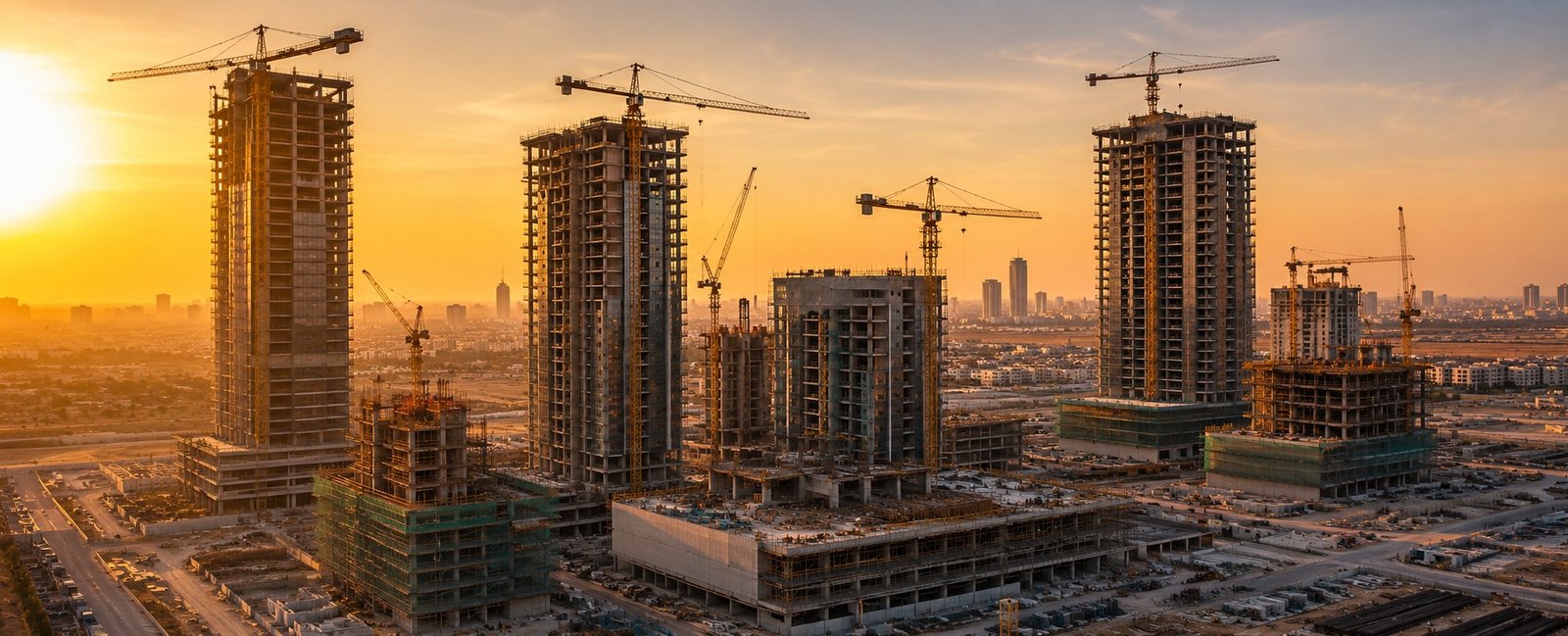
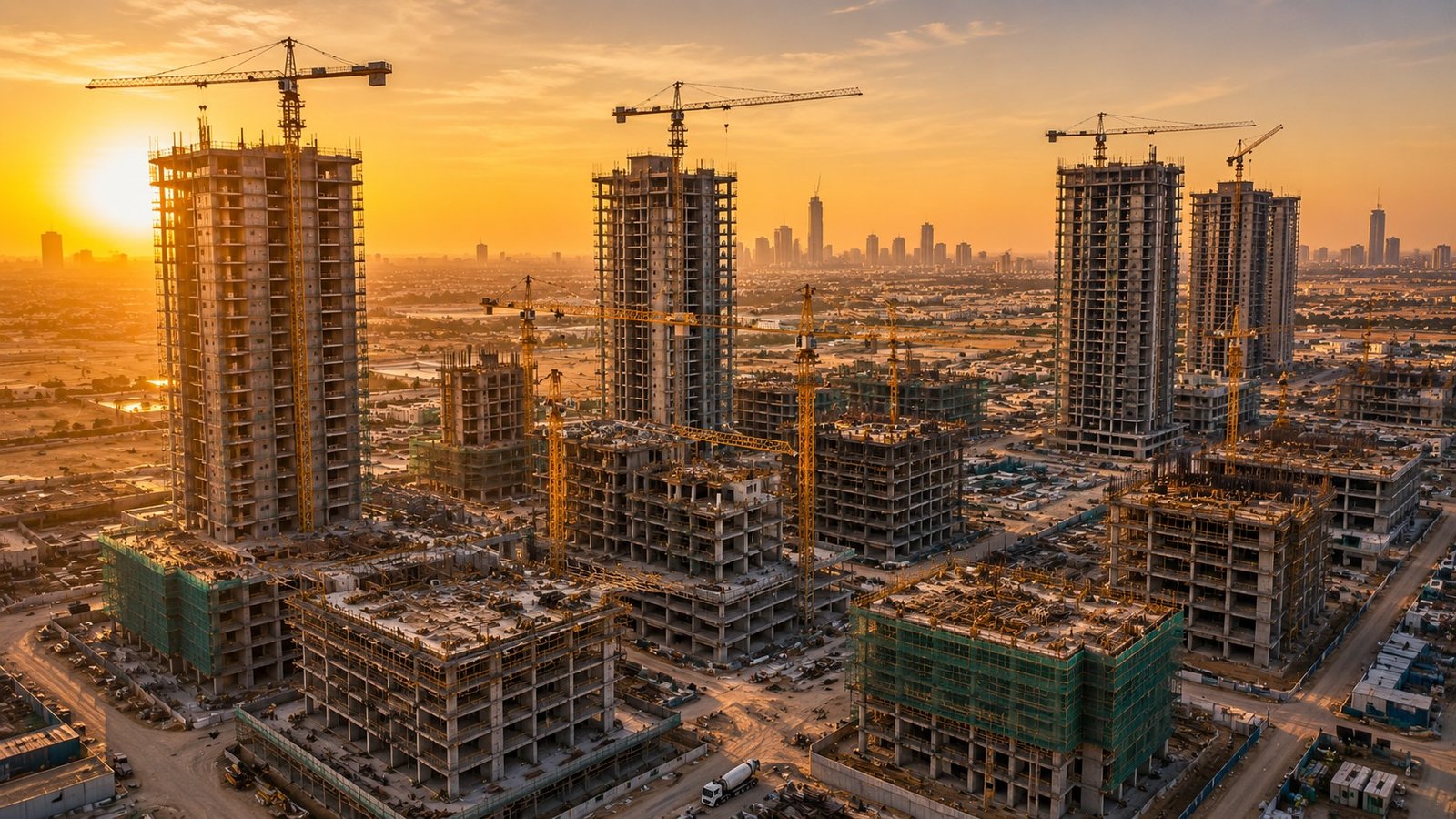
A permit number on its own doesn’t mean much. But 34,000 of them, issued in a single six-month window, translates into a very specific, very physical problem for MEP contractors: a wave of pump rooms, riser systems, fire suppression networks, and fixture specifications that all need to be designed, sourced, and installed on overlapping timelines.
Saudi Arabia’s Ministry of Municipalities and Housing confirmed that more than 34,000 building permits were issued across the Kingdom between January and the end of June 2026. This piece breaks down what that pipeline actually means for MEP contractors specifically, where the mechanical, electrical, and plumbing workload is concentrated, and why sourcing strategy matters more when this many projects are moving through construction at once.
The Numbers: What Was Actually Issued
Why it matters: The breakdown behind the headline figure tells you exactly where MEP demand is concentrated.
Of the more than 34,000 total building permits issued in the first half of 2026, residential permits accounted for the largest share by far, exceeding 28,000. More than 5,000 commercial building permits were issued over the same period, alongside over 1,000 permits for government buildings. The ministry attributed part of the volume to continued improvements in the Balady digital licensing platform, which has streamlined permit processing and shortened approval timelines, meaning projects are likely reaching the construction stage faster than in previous cycles too.
What This Actually Means for MEP Workload
Why it matters: A building permit isn’t just paperwork, it’s a future MEP scope of work. Translating this permit volume into physical systems gives a much clearer picture of where contractor demand is actually heading over the next 12 to 24 months.
- More than 28,000 residential permits means a corresponding wave of booster pump sets, domestic water circulation systems, and fire pump installations, the core MEP infrastructure behind any residential tower or compound, regardless of size or finish level.
- Over 5,000 commercial and mixed-use permits points toward more complex hot water distribution systems, higher-specification faucets and valves, and hospitality or retail-grade fixture requirements that go well beyond standard residential specifications.
- Government building permits, while the smallest category by volume, often carry the strictest compliance requirements, particularly around Mostadam certification and Saudi Building Code MEP provisions, adding a documentation and specification burden beyond the physical installation itself.
Residential Growth: What It Means for Pump and Water System Demand
Why it matters: Residential towers and multi-unit compounds have MEP requirements that scale directly with height and unit count, and 28,000-plus new residential permits represents a substantial pipeline of that exact demand.
- Booster pump sets become essential wherever a building’s height or unit density means standard municipal water pressure can’t reliably reach upper floors, a near-universal requirement for any residential tower beyond a handful of storeys.
- Circulation pumps for domestic hot water systems ensure consistent hot water delivery across multiple floors and units without excessive wait times at the tap, a baseline expectation in modern residential developments.
- Fire pump systems are a non-negotiable life safety requirement under Saudi Building Code fire protection provisions, and every new residential tower or compound permit represents another fire pump system that needs specifying, sourcing, and commissioning correctly.
Kanzotech Pumps’ commercial and industrial pump ranges are built around exactly this kind of booster, circulation, and pressure-critical residential application.
Commercial and Mixed-Use: Higher-Spec Systems
Why it matters: Commercial and mixed-use permits, while smaller in volume than residential, typically carry more demanding MEP specifications per project, particularly around hot water systems and fixture quality.
- Complex hot water systems are standard in hotel and mixed-use developments, often requiring centralized or zoned distribution systems considerably more involved than a typical residential setup.
- Higher-specification faucets and valves are expected across hospitality and commercial-grade projects, where finish quality, durability under heavy daily use, and consistency across large unit counts all matter more than in standard residential work. Our guide on commercial kitchen faucets and hoses for restaurants and hotels covers this specific demand in more depth.
- Certification expectations increase accordingly, with commercial and hospitality projects more likely to pursue Mostadam certification or investor-facing sustainability credentials, adding water efficiency requirements directly into fixture and system selection, a dynamic we’ve covered in our guide to Mostadam and Saudi green building standards.
The Regulatory Layer Behind the Permits
Why it matters: Every one of these 34,000-plus permits is subject to the Saudi Building Code, which explicitly regulates MEP systems and fire protection, not as background guidance but as mandatory, enforceable requirements.
MEP systems fall directly under specific Saudi Building Code provisions, with fire protection measures covered under their own dedicated section, and non-compliance carrying real consequences, from stop-work orders to legal liability. Recent updates to the code have also strengthened sustainability provisions, including water reuse and efficiency requirements, meaning MEP contractors increasingly need to plan pump, valve, and fixture selection around compliance from the earliest design stages, not as a late-stage adjustment once installation is already underway.
Why MEP Contractors Need a Single-Source Supplier Right Now
Why it matters: When permit volume is this high, MEP contractors aren’t managing one project’s sourcing timeline, they’re managing several simultaneously, often with overlapping deadlines competing for the same supplier capacity.
Coordinating booster pumps from one supplier, valves from another, and faucets and fixtures from a third multiplies the points of potential delay across every project running at once. A missed lead time on any single component holds up commissioning across an entire building, and when several projects are moving through construction in parallel, that risk compounds fast.
This is exactly where consolidating MEP sourcing under a single, capable supplier group becomes a genuine operational advantage rather than just a convenience. Kanzotech operates across water pumps, faucets, and plumbing materials and valves, manufactured in-house with ISO certified quality control, giving MEP contractors a way to coordinate booster pump sets, fire pumps, valves, and fixtures across multiple concurrent projects through a single supply relationship rather than juggling separate vendors, lead times, and quality standards for each.
Practical tip: For contractors managing several residential or mixed-use projects moving through construction simultaneously in this current permit cycle, standardizing specifications across projects wherever possible, using the same pump models, valve types, and fixture lines across multiple sites, further simplifies both sourcing and long-term maintenance once buildings are occupied.
Practical Takeaways for MEP Contractors
- Plan pump and fixture lead times early. With this volume of permits converting into active construction, supplier capacity across the market is likely to tighten, making early ordering a real advantage over waiting until installation is imminent.
- Standardize specifications across concurrent projects where practical, reducing both sourcing complexity and future maintenance variability across a portfolio of simultaneous developments.
- Confirm Saudi Building Code MEP and fire protection requirements early in design, rather than treating compliance as a final-stage checklist item.
- Factor Mostadam and water efficiency requirements into fixture selection from the outset, particularly for commercial, mixed-use, and government-linked projects where certification expectations are more likely to apply.
- Evaluate supplier consolidation seriously. Running multiple simultaneous projects through a single, capable manufacturer across pumps, valves, and fixtures reduces coordination risk in a way that becomes more valuable, not less, as overall project volume increases.
Conclusion
Thirty-four thousand building permits in six months isn’t just a headline figure, it’s a direct signal of where MEP contractor workload is heading over the next two years: a residential-led surge in booster pumps, circulation systems, and fire pump installations, alongside a smaller but more demanding wave of commercial and hospitality-grade hot water and fixture requirements. For contractors managing multiple projects against this pipeline simultaneously, the sourcing strategy behind each project matters as much as the design itself, and a single, reliable supply partner across pumps, valves, and faucets is becoming less of a convenience and more of an operational necessity.
Your next steps:
- Map your current and upcoming project pipeline against this permit-driven demand surge.
- Standardize pump, valve, and fixture specifications across concurrent projects where possible.
- Explore Kanzotech’s combined water pumps, faucets, and plumbing materials ranges as a single-source MEP supply partner across multiple simultaneous projects.
Managing MEP procurement across several active projects in Saudi Arabia right now? Contact Kanzotech to discuss consolidated pump, valve, and fixture supply for your pipeline.











Comments
No comments yet. Be the first to comment!