

Finding the Right Water Pump Supplier in Saudi Arabia: What Actually Matters


Finding the Right Water Pump Supplier in Saudi Arabia: What Actually Matters
Introduction
Look, if you’re running a construction site in Riyadh, managing an industrial facility in Dammam, or handling agricultural operations in Al-Kharj, you already know this: choosing the right water pump supplier in Saudi Arabia isn’t just another line item on your procurement checklist.
It’s the difference between a project that runs smoothly and one that grinds to a halt because your supplier can’t deliver on time.
Here’s the thing most people miss. The problems don’t show up immediately. They appear later sometimes weeks, sometimes months down the line. A delayed shipment that pushes your entire timeline back. Product quality that looked fine on paper but fails under real-world conditions. Or worse, radio silence when you actually need technical support.
In Saudi Arabia’s fast-moving construction and industrial sectors, where deadlines are tight and downtime costs serious money, picking the wrong supplier isn’t just inconvenient. It’s expensive.
This guide cuts through the noise and shows you exactly what to look for in a water pump supplier—the stuff that actually matters when you’re managing real projects with real deadlines.
The Water Pump Market in Saudi Arabia Right Now
Saudi Arabia’s pump market has exploded over the past few years. Vision 2030 isn’t just a slogan , it’s reshaping how infrastructure, industry, and agriculture operate across the Kingdom.
Think about what’s happening: NEOM, the Red Sea Project, Qiddiya. These aren’t small developments. They’re massive construction sites that need reliable dewatering systems, pressure boosting, and constant water supply. And they need it yesterday.
The industrial sector? Oil and gas facilities, petrochemical plants, desalination operations , all running 24/7 and demanding pumps that can handle harsh conditions without failing.
Even agriculture is changing. Modern irrigation systems, controlled environments, precision farming. All of it needs efficient pumping solutions that can work in desert conditions without burning through energy costs.
What this means for you: there are more suppliers than ever. Some good, some not so good, and some who’ll promise you the world but can’t deliver when it counts.
Four Types of Suppliers (And Why It Matters)
Not all water pump suppliers in Saudi Arabia work the same way. Understanding who you’re dealing with helps you know what to expect.
Manufacturers
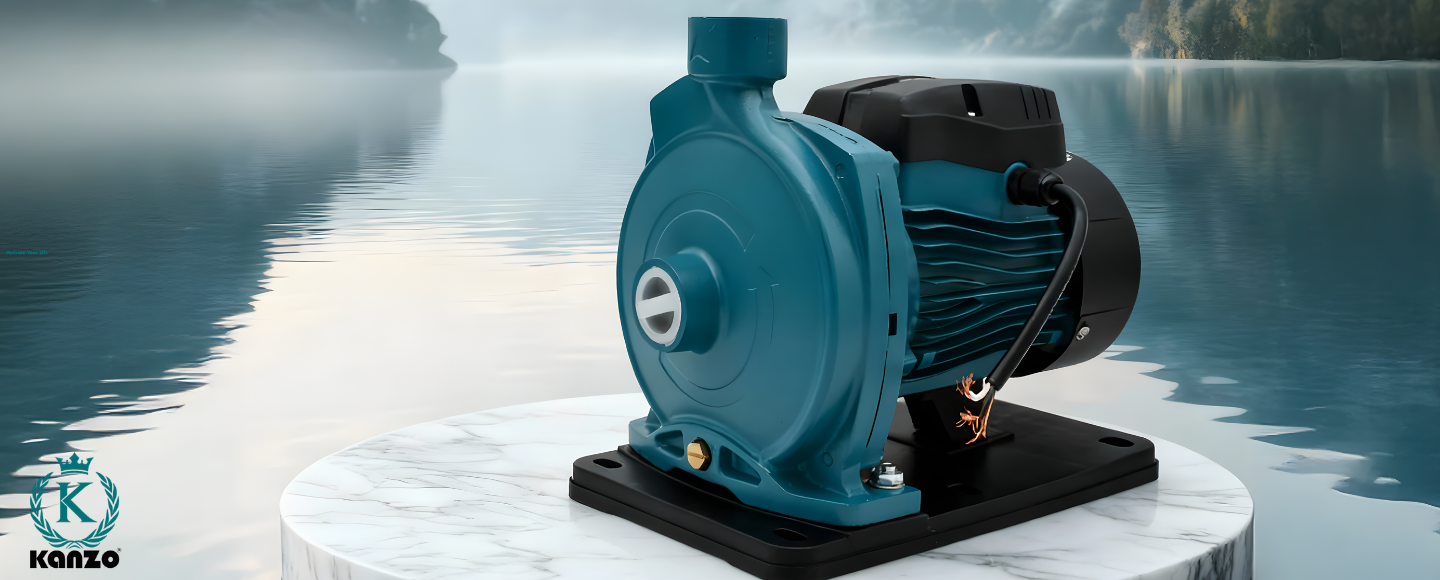
These guys actually make the pumps. Companies like KanzotechPumps manufacture locally, which means better control over quality and pricing especially for bulk orders.
The upside? Direct pricing, better customization, solid warranties. You’re not paying distributor markup.
The downside? Sometimes longer lead times for specialized products. And if they don’t have a strong local setup, you might struggle to get parts or service when you need it.
Distributors
They don’t make pumps ,they supply them from various brands. Think of them as the middle layer between manufacturers and you.
The upside? Usually faster delivery because they stock inventory locally. They handle multiple brands, so you’ve got options. And if they’re established, they know Saudi regulations inside out.
The downside? You’re paying extra for that convenience. And their technical expertise varies—some are excellent, others are basically just order-takers.
Importers
These suppliers bring pumps from international manufacturers that don’t have a direct presence in Saudi Arabia.
The upside? Access to specialized equipment you can’t find locally. Sometimes competitive pricing through bulk import deals.
The downside? Longer wait times. Warranty issues can get complicated when the manufacturer is overseas. And after-sales support often gets outsourced to third parties who may or may not know what they’re doing.
Retail Sellers
Useful for small, one-off purchases. Not much else.
They’re fine if you need a replacement pump for a residential application. For commercial or industrial projects? Forget it. Limited inventory, no technical support, prices aren’t competitive for bulk orders, and they can’t handle long-term supply needs.
Pump Types You’ll Actually Encounter
Different jobs need different pumps. Use the wrong type and you’ll know it fast either through poor performance or early failure.
Centrifugal pumps are your workhorses for general applications. Water transfer, irrigation, building services. Most common type you’ll see on sites.
Submersible pumps go underwater—wells, sewage systems, dewatering applications. They’re built to operate while fully submerged and are essential for groundwater extraction.
Booster pumps handle pressure. Multi-story buildings, hotels, anywhere you need consistent water pressure throughout a system.
Industrial pumps are heavy-duty units designed for demanding environments. Chemical processing, oil and gas, high-temperature applications. These aren’t your standard construction site pumps.
What Actually Matters When Choosing a Supplier
Price matters. Obviously. But if that’s your only criteria, you’re setting yourself up for problems.
Product Quality and Range
Can they supply what you actually need, or just what they happen to have in stock? A good supplier should carry multiple pump types and maintain consistent quality across their range.
Look for recognized brands. Check certifications. Ask for performance documentation. If they can’t provide this stuff easily, that tells you something about how they operate.
Delivery (Because Your Timeline Matters)
Can they deliver to your specific location? Not just major cities—can they get equipment to remote sites?
What’s their actual lead time? Not the optimistic version they tell you during sales calls—what do their existing customers say?
Do they maintain inventory in multiple locations across Saudi Arabia, or is everything coming from one warehouse in Jeddah?
A delayed pump delivery can shut down entire project phases. If your supplier can’t commit to realistic timelines and actually meet them, you need a different supplier.
Technical Know-How
Here’s where you separate real suppliers from order-takers.
A quality water pump supplier in Saudi Arabia should have engineers—actual engineers, not salespeople who’ve memorized a product catalogue —who can help you select the right pump based on your specific requirements. Flow rate, head pressure, fluid characteristics, operating conditions.
They should be able to spot when you’re over-specifying (wasting money) or under-specifying (heading for failure). If they just say “yes” to whatever you ask for without asking questions, walk away.
After-Sales Support (The Part Everyone Ignores Until It’s Too Late)
Most buyers focus entirely on the purchase and forget what happens after. That’s a mistake.
When a pump fails at 2 AM on a critical project, you need someone who picks up the phone. Not next week. Now.
What you should verify:
- Warranty terms. Two years minimum is standard for quality suppliers.
- Spare parts availability. Are parts in stock locally or do they need to be ordered from overseas?
- Service response times. What’s their actual track record, not their marketing promises?
- Door-to-door service. Some suppliers will handle everything. Others will tell you to figure it out.
- Replacement policies. If there’s a manufacturing defect, what happens?
The cost of downtime almost always exceeds whatever you saved by choosing a cheaper supplier with weak support.
Experience in Saudi Arabia
Suppliers who’ve worked in the Kingdom understand things that newcomers don’t. High ambient temperatures. Water quality issues. How to navigate government project requirements. The paperwork needed for large contracts.
They know how to work with both local contractors and international companies operating here. That experience saves you headaches.
Who Are the Main Suppliers?
Let’s talk specifics. The Saudi market has several established players, each with different strengths.
KanzotechPumps
KanzotechPumps, is the brand of Kanzotech, a leading manufacturer and wholesale supplier operating in Saudi Arabia. They’re not distributors—they actually manufacture pumps, which changes the economics for buyers, especially on bulk orders.
What makes them different:
They manufacture locally, so you’re getting manufacturer-direct pricing without the distributor markup. For large projects or ongoing supply needs, that adds up fast.
Two-year warranty on their products. That’s not just marketing—it’s a concrete commitment backed by their manufacturing capability.
Door-to-door service. When something needs attention, they handle it. You’re not coordinating between multiple parties trying to figure out who’s responsible.
Product replacement for manufacturing defects. If there’s a problem with how something was made, they replace it. Period.
They handle bulk supply ,construction projects, industrial facilities, agricultural operations. If you need consistent supply over time rather than one-off purchases, they’ve built their operations around exactly that.
The company works across construction, industrial, and agricultural sectors, so they understand the different demands of each application. For contractors managing multiple projects or facilities needing reliable ongoing supply, KanzotechPumps consistently shows up as a practical choice.
Grundfos
International brand known for energy-efficient, high-performance pump systems. Strong in commercial buildings and industrial environments where operational efficiency matters. If you need advanced control systems and monitoring, Grundfos is often the spec.
Widely used, good reputation. Premium pricing.
KSB
Engineering-focused supplier common in infrastructure and large scale projects. Their strength is in heavy industrial applications and custom-engineered solutions.
If you’re working on a major infrastructure project with specific engineering requirements, KSB often gets the call.
Sulzer
Advanced pump systems for demanding industrial environments. Oil and gas, petrochemical, power generation—applications where failure isn’t an option.
They’re specialists. You’ll pay for that expertise, but in critical applications, it’s often worth it.
Where These Pumps Actually Get Used
Understanding applications helps you find suppliers with relevant experience.
Construction Sites and Dewatering
Construction sites deal with groundwater constantly. Foundation work, basement excavation, tunnel projects , you need to remove water before you can build.
Dewatering pumps have to handle harsh conditions. Water mixed with sand and debris. Running continuously for weeks or months. Site conditions that would destroy pumps designed for cleaner environments.
Large projects need multiple pumps with backup capacity. Your supplier needs to understand construction timelines and have the inventory to support extended operations. When you need industrial water pump solutions in Saudi Arabia for major construction, look for suppliers who’ve actually done it before, not ones who claim they can figure it out.
Industrial Operations
Manufacturing plants, oil and gas facilities, processing operations , pumps are critical infrastructure here. Process water supply, cooling systems, chemical transfer, wastewater management.
These applications demand precision. Consistent performance. Compliance with safety standards. The pumps often need to integrate with existing systems and meet specific technical specifications.
Industrial buyers need suppliers who speak the language. Who understand the difference between “good enough” and “actually meets spec.”
Commercial Buildings
Hotels, hospitals, shopping centers, office towers. All need pressure boosting to maintain water supply across multiple floors.
The requirements here are different from construction sites. Reliability matters more than ruggedness. Energy efficiency matters because these systems run constantly. Noise matters because they’re often in occupied buildings.
Agriculture
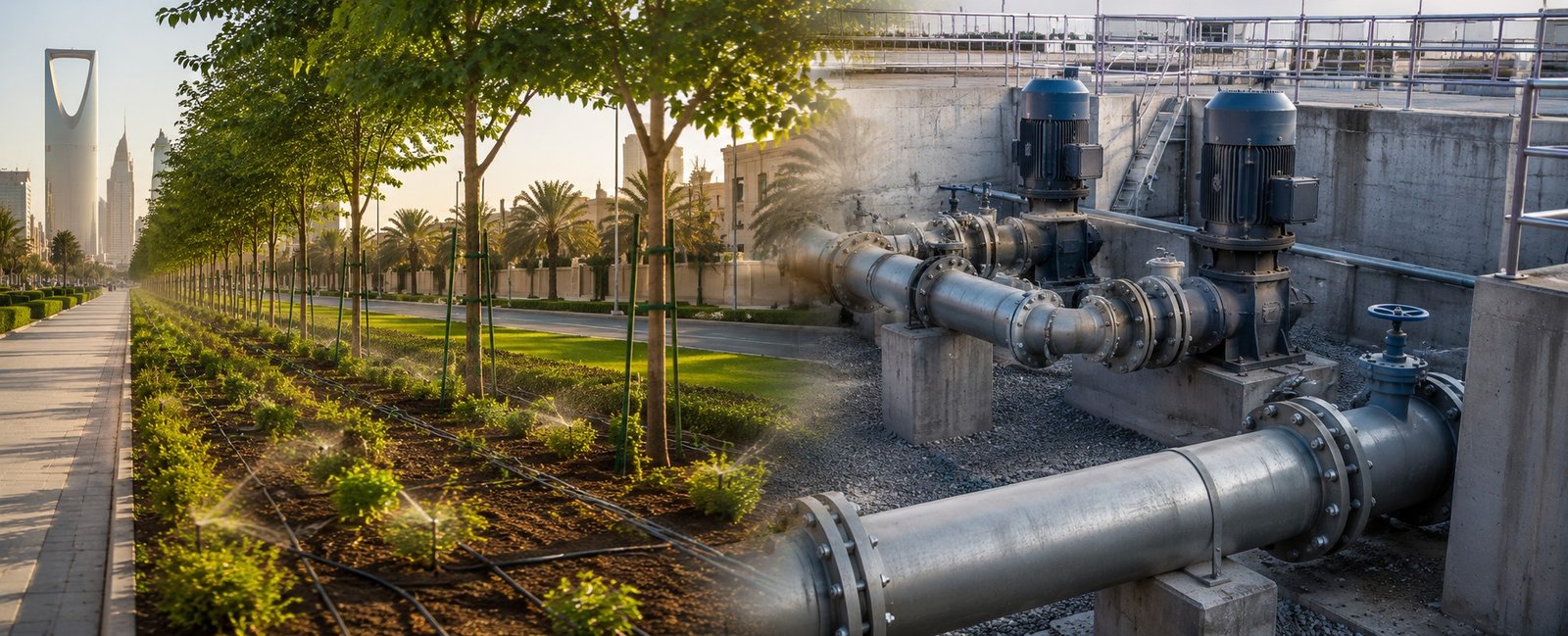
Modern Saudi agriculture relies on efficient irrigation , drip systems, sprinklers, controlled distribution. In desert conditions, water efficiency isn’t optional.
Agricultural pumps need to deliver reliable performance while minimizing energy consumption. That’s critical in remote areas often running on solar power.
Suppliers serving this sector need to understand seasonal demand and agricultural economics. Farmers can’t afford the pricing and support models that work for industrial facilities.
How to Actually Choose the Right Supplier
Match your selection to your specific situation.
Running a large scale project: You need suppliers who can handle bulk orders without breaking a sweat. Look for manufacturers or established distributors with proven logistics. Verify their financial stability,can they actually support a major contract? Check references from projects of similar scale.
Industrial facility: Technical expertise trumps price. Industrial downtime is expensive. Way more expensive than the difference between a cheap supplier and a quality one. Find suppliers who understand your industry and can provide real engineering support, not sales pitches.
Commercial building: Focus on energy efficiency and reliability. Building systems run 24/7. You need equipment that works consistently with minimal maintenance. After-sales support matters because when something fails, you’ve got tenants or guests affected.
Agricultural operation: Energy efficiency is crucial. So is understanding the economics of farming. You need suppliers who can provide ongoing support even in remote areas and who stock the parts you’ll eventually need.
Emergency situation: If you need pumps immediately because of equipment failure or unexpected requirements, you need suppliers with local inventory. Not suppliers who promise fast delivery but actually need to order from overseas. This is where relationships matter suppliers who know you are more likely to prioritize your urgent needs.
Specialized application: Some jobs need pumps with specific materials, certifications, or performance characteristics. Corrosion-resistant alloys. ATEX certification for hazardous areas. High-temperature capability. Find suppliers with access to specialized manufacturers and the technical knowledge to specify correctly.
The Support and Maintenance Reality
Most people ignore this part until they’re dealing with a breakdown.
Long-term performance isn’t just about the pump you buy. It’s about what happens after.
A good supplier provides spare parts when you need them. Not “we’ll order them from overseas” but actual local stock of common wear components.
They provide service support real technical assistance, not just a phone number that goes to voicemail. Remote troubleshooting when possible, on-site service when necessary.
They respond quickly. In critical applications, waiting several days for support isn’t acceptable.
They offer preventive maintenance guidance. Helping you extend equipment life and avoid failures before they happen.
The cost of downtime almost always exceeds any money you saved by choosing a cheaper supplier with weak support. Remember that when you’re comparing quotes.
Frequently Asked Questions
Q1. What should I check before selecting a pump supplier?
Product quality and brand reputation matter. Check certifications and compliance documentation. Verify they stock spare parts locally,you don’t want to wait weeks for parts from overseas when equipment fails. Assess their technical support team’s actual capabilities. Look for minimum 2-year warranty coverage. Most importantly, check their documented experience with projects similar to yours. References from actual customers tell you more than marketing materials.
Q2. Who are the top water pump suppliers in Saudi Arabia?
Several quality suppliers operate here: KanzotechPumps (leading manufacturer and wholesale supplier with two-year warranty and door-to-door service), Grundfos (energy-efficient systems for commercial and industrial), KSB (engineering-focused solutions for infrastructure projects), and Sulzer (advanced industrial pumps for demanding environments). The “best” depends on your specific needs. For large projects requiring bulk supply and manufacturer-direct pricing, KanzotechPumps is consistently reliable. For advanced building automation, Grundfos makes sense. For heavy industrial applications, KSB or Sulzer might be better fits.
Q3. Are there local manufacturers or only importers?
Saudi Arabia has local manufacturers, established distributors, specialized importers, and retail sellers. Local manufacturers like KanzotechPumps offer better pricing and customization for bulk orders with direct manufacturing control. Distributors provide faster delivery and local support across multiple brands. Importers give access to international brands not available locally. Each has advantages depending on your priorities pricing, speed, specialization, or support.
Q4. How important is after-sales service?
Extremely important. Often the deciding factor between suppliers. Strong after-sales support means smooth operations, quick issue resolution, access to genuine spare parts, and long-term reliability. Look for concrete commitments: two-year warranties minimum, door-to-door service, product replacement policies, local spare parts inventory. Poor after-sales support turns a low initial price into high total cost of ownership. When a pump fails at 2 AM on a critical project, you’ll understand why this matters more than saving a few riyals upfront.
Q5. Do suppliers provide warranty and service support?
Quality suppliers provide minimum 2-year warranties. Many offer replacement and maintenance assistance, door-to-door service, and dedicated technical support teams. But verify specifics: What’s actually covered? What are response times based on their existing customers’ experience, not marketing promises? Is service available in your region? What’s the process for warranty claims? Get this in writing before purchasing. General claims about “full support” mean nothing without specifics.
Q6. What certifications should a supplier have?
Look for ISO certifications for quality management. Product certifications depend on your application: ATEX for hazardous areas, NSF for drinking water systems, specific industry standards for specialized uses. Suppliers should demonstrate compliance with Saudi standards and regulations. For major projects, they should provide proper documentation without you having to chase them for it. If getting basic certification documents is difficult during sales, imagine trying to get support after purchase.
Q7. How do I choose the right water pump supplier in Saudi Arabia?
Focus on reliability, not just price. Look for suppliers with strong product range, proven track records in Saudi projects, realistic delivery timelines, and actual after-sales support (not just promises). The supplier should understand local requirements and provide technical guidance based on your specific application—flow rates, head pressure, operating conditions. Check references. Ask existing customers about their experience, especially with delivery and support.
Conclusion
Choosing a water pump supplier in Saudi Arabia isn’t complicated, but it requires thinking beyond the initial purchase price.
You need suppliers who demonstrate reliability through actual track records, not marketing claims. Who maintains inventory and can deliver it on time with out any delay. Who have real technical expertise, not just sales staff reading specification sheets. Who provide comprehensive after sales support with specific, valid service commitments.
Most important thing is that you need suppliers with experience in your type of application. Someone who’s supplied pumps for projects like yours understands the challenges you’ll face and how to address them.
Whether you’re managing construction sites, running industrial facilities, or operating agricultural systems, taking the time to select the right supplier protects your investment and keeps your operations running.
Need reliable water pump solutions for your next project? Work with suppliers who understand Saudi Arabia’s market demands and have proven they can deliver not just on the sale, but on everything that comes after.










Comments
No comments yet. Be the first to comment!